

Why Use a Coworking Space in Tokyo for Remote Work?
If you're working remotely in Tokyo — whether you're a foreign employee of an overseas company, a freelancer, or relocating temporarily for work — a coworking space solves three problems at once: a reliable high-speed internet connection, a professional address you can meet clients at, and separation between "home" and "work" in a city where apartments are often small. Working from a cafe is fine for an hour, but it doesn't give you a bookable meeting room, a phone booth for calls back to head office in a different time zone, or a mailing address. A coworking membership does.
Choosing Your Area: Where Remote Workers Actually Work From
Tokyo is large, and "a coworking space in Tokyo" can mean a 40-minute commute difference depending on where you pick. Five areas come up again and again for remote workers and foreign business staff, each for a different reason:
- Shibuya — young, energetic, close to Shibuya Scramble Square and the Shibuya Stream development. Good if your work involves startups, media, or you want to be near Tokyo's most connected train hub (Yamanote, Keio, Tokyu, and three subway lines converge here).
- Shinjuku — Tokyo's other mega-hub, with direct trains toward western Tokyo suburbs where a lot of foreign residents live. A practical, less trend-driven choice than Shibuya.
- Roppongi — the area with the highest concentration of foreign embassies, foreign law firms, and multinational regional offices. If your work is client-facing and international, Roppongi's coworking scene is built for exactly that audience.
- Tokyo Station / Marunouchi — Tokyo's financial and corporate HQ district. The best choice if you regularly need to meet with Japanese corporate clients, banks, or government offices, since Marunouchi sits directly next to Tokyo Station's Shinkansen and Narita Express access.
- Shinagawa — the gateway station for Haneda Airport access and the Shinkansen toward Yokohama/Nagoya/Osaka. A strong pick if you travel in and out of Japan frequently or split time between Tokyo and another Japanese city.
How to Choose If Access Matters Most
If you're optimizing purely for commute and travel convenience:
- Flying in and out of Japan often → Shinagawa (Haneda access) or Tokyo Station/Marunouchi (Narita Express).
- Commuting from western Tokyo suburbs (Kichijoji, Mitaka, Chofu) → Shinjuku.
- Meeting mostly with large Japanese corporations or government contacts → Marunouchi.
- Meeting mostly with other foreign companies, embassies, or international law/finance firms → Roppongi.
- No fixed client base yet, want the most connected general-purpose hub → Shibuya.
Real Coworking Spaces You Can Actually Consider in Tokyo
Rather than a generic "search online for coworking spaces" approach, here are operators that are currently active in the areas above. Always confirm current pricing, floor availability, and opening hours directly with the operator before booking — flexible-office operators regularly open, close, or relocate individual floors.
- WeWork — has multiple Tokyo locations including Shibuya Scramble Square (Shibuya), a Marunouchi Kitaguchi Building location (Marunouchi), and Shinjuku locations such as Link Square Shinjuku and D-Tower Nishishinjuku. WeWork's model is the most "walk-in friendly" of the three — day passes and hot desks are straightforward to book through their app, and most locations have a strong ratio of meeting rooms to desks.
- SPACES (operated by IWG, the same group behind Regus) — has locations in Shinagawa, Roppongi, Otemachi, Akasaka, and Shinjuku. SPACES tends to feel less "startup," more like a professional business lounge — a reasonable fit if your clients are more traditional Japanese or international corporate contacts.
- The Executive Centre — a premium serviced-office operator with Tokyo locations at JP Tower (Marunouchi, next to Tokyo Station), Cerulean Tower (Shibuya), Roppongi Hills North Tower, Shin-Marunouchi Center, and World Trade Center Building South Tower (near Hamamatsucho/Shinagawa side). This is the option to consider if you specifically need a prestige address for client-facing meetings — private offices and meeting rooms here read as more "corporate HQ" than typical coworking.
Beyond these three international operators, most large Japanese train stations also have local coworking chains (station-operated "STATION WORK" style booths, and independent Japanese operators) that are worth checking if you only need a desk for a few hours between meetings rather than a full membership.
Need Help Setting Up Your Business in Japan?
If you are exploring coworking spaces as part of setting up or operating a business in Japan, GMS can help you navigate practical Japan business setup considerations. GMS is not a coworking-space operator or booking service.
✉ Talk to GMSTypes of Coworking Membership
Before picking a location, decide what type of access you actually need — this affects both price and which locations are even relevant:
- Drop-in / Day Pass — pay per visit, no commitment. Best for occasional use or testing a space before committing.
- Coworking Membership — a set number of days per month (or unlimited) at open desks. The standard option for most remote workers.
- Private Office — a lockable room for you or your team, usually requiring a minimum contract term. Better if you handle confidential client documents or take calls all day.
- Meeting Room (booked separately) — most operators let non-members book meeting rooms by the hour. Useful if your main workspace is a home office or a cheaper coworking membership, and you only need a professional room occasionally for client meetings.
Facilities Remote Workers Should Actually Check
Don't assume every coworking space has the same setup. Before signing up, confirm:
- Wi-Fi — ask about actual measured speed, not just "high-speed Wi-Fi" marketing copy. If your work involves video calls across time zones, this matters more than almost anything else.
- Power outlets — some older Tokyo office buildings retrofitted for coworking have fewer outlets per desk than you'd expect. Ask before committing to a monthly plan.
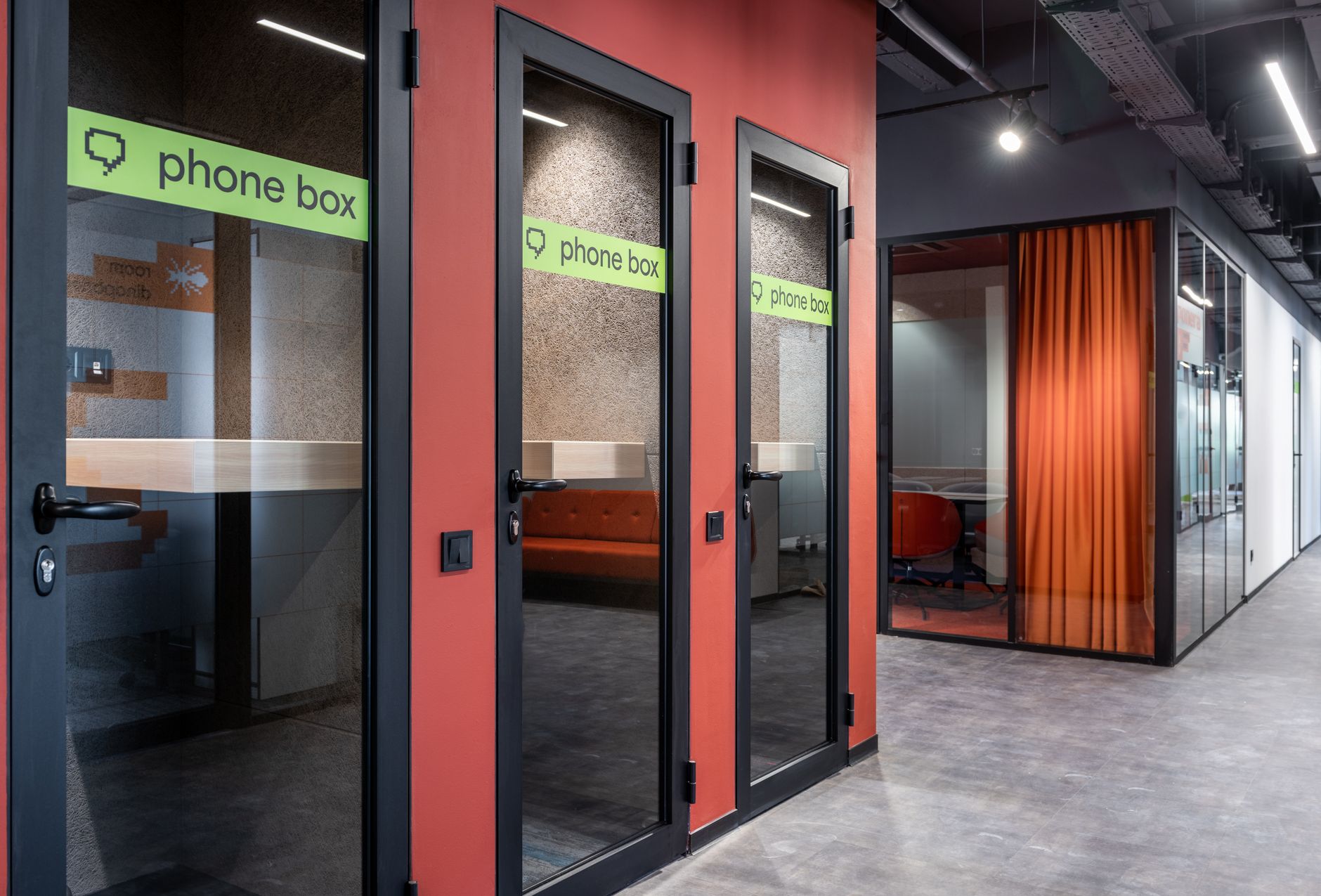
- Phone booths — essential if you're calling a head office in a different time zone and can't do it from an open desk without disturbing others.
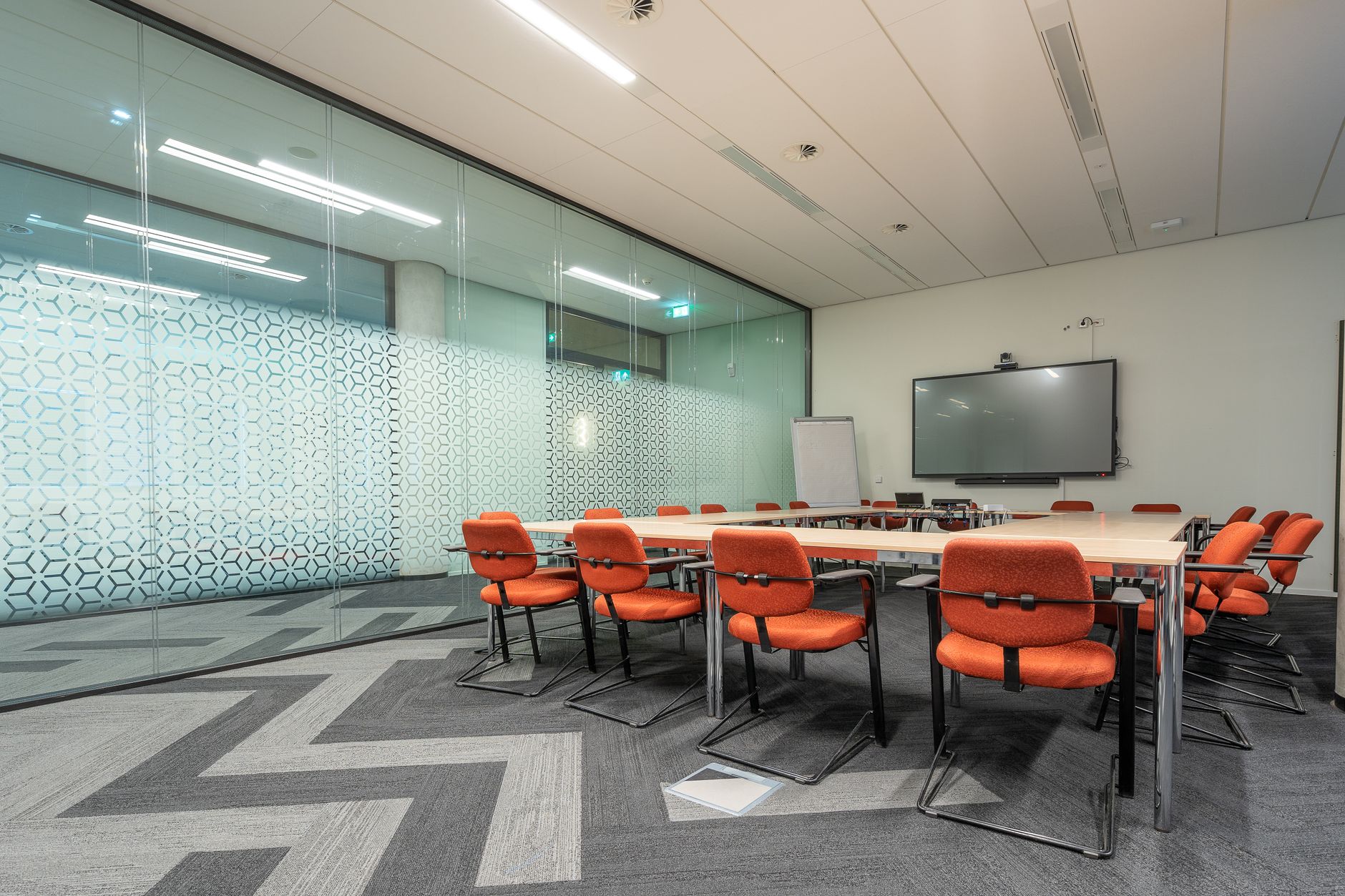
- Meeting rooms — check how many rooms exist relative to the number of members, and whether booking them is free (included) or charged per hour.
- Monitors — some private offices and dedicated desks include an external monitor; open coworking desks usually don't.
- Printing — ask whether printing/scanning is included in your plan or billed separately per page, since this adds up for regular client documents.
What Foreign Employees and Overseas Companies Should Specifically Confirm
If you're a foreign employee, or your company is based overseas and paying for the membership, a few extra checks matter beyond the basics above:
- English support — can staff handle contracts, invoices, and day-to-day requests in English? Some smaller Japanese-only operators are excellent but will require Japanese for anything beyond using the desk itself.
- Booking method — is there an English-language app or website, or is booking phone/in-person only in Japanese?
- Payment method — can you pay by international credit card and get an invoice suitable for expensing to an overseas company, or does the operator require a Japanese bank account?
- Access hours — some locations are 24/7 for members, others close overnight or on weekends. If you work across time zones, this can be a dealbreaker.
- Location relative to your actual client base — don't just pick the "coolest" area; pick the area closest to where you'll actually be meeting people most weeks.

A Simple Decision Guide: Which Area Should You Choose?
- Need a prestige address for corporate clients → Marunouchi or Roppongi (consider The Executive Centre).
- Want the most walk-in-friendly, flexible day-pass experience → WeWork in Shibuya or Shinjuku.
- Travel in/out of Japan frequently → Shinagawa.
- Want a calmer, more traditional business feel → SPACES in Otemachi or Akasaka.
- Not sure yet → start with a day pass in two or three candidate areas before committing to a monthly membership.
Checklist for First-Time Users
Before you commit to a coworking membership in Tokyo, confirm you've covered each of these:
- Confirmed the location is within a reasonable commute of your home or hotel.
- Tested the Wi-Fi speed during a trial visit, not just read about it online.
- Asked about the exact monthly cost including tax, and whether meeting rooms/printing are extra.
- Confirmed English-language support exists for contracts and billing if you need it.
- Checked access hours match your working pattern (including time-zone calls).
- Booked at least one day pass or trial visit before signing a monthly or annual contract.
- Asked current members (if possible) about their actual experience, not just the sales pitch.
Common Mistakes to Avoid
- Picking based on Instagram photos alone. A space can look beautiful in marketing photos and still have weak Wi-Fi or no phone booths — visit or trial first.
- Ignoring the commute. A cheaper space 45 minutes away often costs more in lost time than a slightly pricier one near your home or client base.
- Not asking about contract minimums. Some private-office plans require 6–12 month commitments; make sure you actually need that before signing.
- Assuming all locations of the same brand are identical. A WeWork or SPACES location in one neighborhood can have a very different vibe, member mix, and facility quality than another location of the same brand across town — always check the specific floor/building, not just the brand name.
FAQ
Q: Do I need to speak Japanese to use a coworking space in Tokyo? A: No — WeWork, SPACES, and The Executive Centre all operate with English-language support, apps, and staff, since a large share of their Tokyo membership base is international companies and foreign professionals.
Q: Can I book a coworking space in Tokyo for just one day? A: Yes. All three operators above (and most Japanese-run coworking spaces) offer day passes or drop-in rates, which is also the easiest way to trial a location before committing to a monthly plan.
Q: Is a coworking membership tax-deductible as a business expense? A: In most cases a coworking membership used for business purposes can be treated as a legitimate business expense, but the exact tax treatment depends on your company's structure and jurisdiction — confirm with your accountant or tax advisor rather than assuming.
Q: What's the difference between a coworking space and a serviced office? A: A coworking space is typically open-desk, shared, and flexible (day passes, monthly memberships). A serviced office (like a private office at The Executive Centre) is a lockable, dedicated room, usually with a longer minimum commitment and a higher price, aimed at teams or client-facing work that needs privacy.


