

Introduction
When planning a trip to Japan, one question that might come to mind is: Do you need a VPN in Japan? The straightforward answer is: it depends on your specific needs and circumstances. In this guide, we will explore the importance of a VPN, the criteria you should consider, and the practical implications of using one while enjoying your time in Japan.

Key Takeaways
- A VPN can enhance your online privacy and security while in Japan.
- Whether you need a VPN depends on how you plan to use the internet.
- Consider the risks of using public Wi-Fi networks.
- There are both advantages and limitations to using a VPN in Japan.
Table of Contents
- Why Use a VPN?
- Scenarios When You Might Need a VPN
- Practical Recommendations for VPN Usage
- Risks and Limitations of VPNs in Japan
- FAQ
- Conclusion

Why Use a VPN?
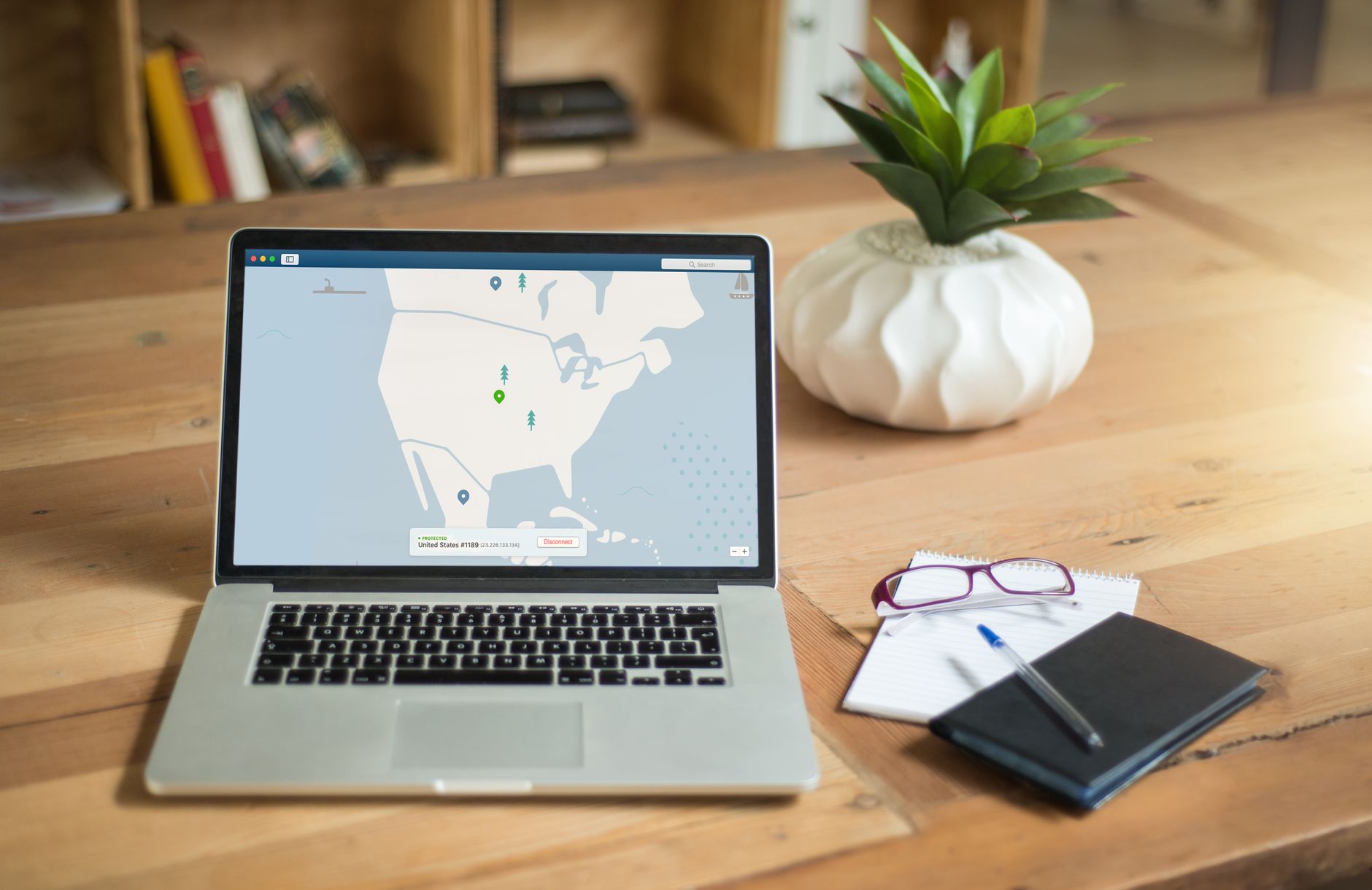
A Virtual Private Network (VPN) creates a secure connection over the internet by encrypting your data. This is particularly useful when connecting to public Wi-Fi networks, which are prevalent in Japan. By using a VPN, you can protect your sensitive information, such as passwords and personal data, from potential cyber threats.
Additionally, using a VPN can allow you to access geo-restricted content, such as streaming services that may not be available in Japan. If you are traveling from another country, a VPN can help you connect to your home country's services as if you were still there. This can be particularly beneficial for expatriates or travelers who want to stay connected with their favorite shows, news, or social media platforms.
Scenarios When You Might Need a VPN
Public Wi-Fi Usage: If you plan to use public Wi-Fi in cafes, hotels, or airports, a VPN is highly recommended. Public networks are often less secure, making it easy for hackers to intercept your data. For instance, when you log into your bank account over a public Wi-Fi connection, your information could be at risk without a VPN.
Accessing Streaming Services: If you're a fan of shows or movies available only in your home country, a VPN can help you bypass regional restrictions and enjoy your favorites while abroad. For example, if you subscribe to a streaming service that offers different content libraries based on location, a VPN can allow you to access the library from your home country.
Privacy Concerns: If you are particularly concerned about online privacy and security, using a VPN can provide an additional layer of protection, especially when handling sensitive transactions online. This is crucial for travelers who may need to make purchases or manage their finances while away from home.
Traveling to Restricted Areas: If your travel itinerary includes visiting areas where internet access is restricted or monitored, a VPN can help you maintain your online freedom. This is especially relevant in regions where certain websites or services are blocked.
Practical Recommendations for VPN Usage
Choose a Reliable VPN Provider: Look for a VPN service that has a good reputation for speed and security. Top-rated services often have servers in multiple countries, including Japan. Popular options include ExpressVPN, NordVPN, and Surfshark, which are known for their reliability and customer support. Ensure that the provider you choose has a clear privacy policy, does not log user activity, and offers strong encryption standards.
Test Your VPN Before Traveling: Ensure that your VPN works properly in Japan before you arrive. Some services may have limitations in certain countries or regions. Consider running a speed test and checking for accessibility to your desired content. You can also check online forums or user reviews to see how well the VPN performs in Japan.
Connect to Local Servers: If you are in Japan, connecting to a local server can provide faster speeds for browsing and streaming. This can enhance your experience, especially if you are trying to access local content or services. For instance, if you want to stream Japanese television or access local news websites, a local server will improve your connection quality.
Stay Updated: Regularly update your VPN software and check for any potential issues related to connectivity in Japan. This ensures that you have the latest security features and performance improvements. VPN providers often release updates to enhance security and fix bugs, so keeping your software current is essential.
Consider Multi-Device Support: If you plan to use multiple devices during your trip, choose a VPN that allows simultaneous connections on several devices. This way, you can protect your phone, tablet, and laptop all at once. Some VPNs offer family plans or multi-device subscriptions that can save you money while ensuring all your devices are secure.
Utilize Customer Support: If you encounter issues while using the VPN, take advantage of the customer support offered by the provider. Many reputable VPN services offer 24/7 live chat support, which can be invaluable when troubleshooting connection problems or accessing content.
Risks and Limitations of VPNs in Japan
While using a VPN can provide numerous benefits, there are also some risks and limitations to be aware of:
Performance Issues: Using a VPN can sometimes slow down your internet connection. This is due to the extra steps involved in encrypting and routing your data through a secure server. If you experience significant slowdowns, consider switching servers or protocols within your VPN. Some users report that connecting to a server closer to their physical location can improve speeds.
Legal Implications: While using a VPN is legal in Japan, engaging in illegal activities while connected to a VPN is not. Always ensure that you use a VPN responsibly. Familiarize yourself with local laws regarding internet usage to avoid any potential legal issues. It's also worth noting that while VPNs can provide anonymity, they do not make illegal activities legal.
Service Restrictions: Some streaming services actively block VPN traffic. This means you may not be able to access certain content even when using a VPN. If you encounter this issue, try connecting to different servers or consult your VPN provider for solutions. Some VPNs offer dedicated IP addresses that may help bypass these restrictions.
Cost Considerations: While there are free VPN options available, they often come with limitations such as slower speeds, data caps, or lack of security features. Investing in a reputable paid VPN can provide a better experience and more reliable service. Additionally, free VPNs may compromise your privacy by logging your data or displaying ads, so it's generally recommended to choose a paid option for enhanced security.
User Testimonials: Many users have shared their experiences regarding VPN usage in Japan. Some have reported that while VPNs are effective for accessing content, they sometimes encounter issues with speed and connectivity, especially during peak hours. It's beneficial to read reviews and testimonials to understand the performance of different VPNs in real-world scenarios.
FAQ
1. Is it legal to use a VPN in Japan?
Yes, using a VPN is legal in Japan. However, engaging in illegal activities while using a VPN is not.
2. Can I use my home country's VPN service in Japan?
Yes, as long as your VPN service is accessible from Japan, you should be able to use it without any issues.
3. Will a VPN allow me to access Netflix?
It depends. Some VPNs can bypass Netflix's geo-restrictions, but others may not. Check with your VPN provider for compatibility.
4. What should I do if my VPN doesn't work in Japan?
Try connecting to different servers or contact your VPN's customer support for assistance.
5. Are there free VPN options available for use in Japan?
Yes, there are free VPN services, but they often come with limitations. It's generally recommended to use a paid VPN for better security and performance.
6. Can I use a VPN on my mobile device while in Japan?
Yes, most VPN providers offer mobile applications that can be used on smartphones and tablets, allowing you to secure your connection on the go.
7. How do I choose the best VPN for my needs in Japan?
Consider factors such as speed, server locations, privacy policies, and user reviews. Look for VPNs that specifically mention good performance in Japan.
Conclusion
In conclusion, whether you need a VPN in Japan largely depends on your usage scenarios. If you prioritize online security, privacy, or access to geo-restricted content, investing in a reliable VPN is a wise choice. However, be aware of the limitations and risks associated with using a VPN. By following the recommendations outlined in this guide, you can enjoy a safer online experience during your travels in Japan.


