

Planning a trip to Japan can be an exciting yet overwhelming experience, especially when it comes to packing. Japan's climate varies significantly by season, making it essential to tailor your packing list to match the weather conditions. In this guide, we will explore what to pack for a trip to Japan in each season, helping you to stay comfortable and prepared no matter when you visit.
Understanding Japan's Seasons
Japan experiences four distinct seasons: spring, summer, autumn, and winter. Each season brings unique weather patterns, festivals, and activities, all of which can influence what you should pack.
Spring (March to May): Spring is known for its mild weather and beautiful cherry blossoms, although blooming dates vary by region and year. Temperatures typically range from mild to warm, making light jackets, layers, and comfortable shoes ideal for exploring. You might also want to bring a compact umbrella as spring showers can be frequent. Festivals like Hanami (flower viewing) occur during this time, so consider packing a picnic blanket for outdoor gatherings. Additionally, lightweight gloves can be useful for cooler evenings.
Summer (June to August): Early summer overlaps with the rainy season in much of Japan, and mid-summer can be hot and humid, with temperatures often exceeding comfortable levels. Lightweight, breathable clothing, sun protection, and hydration gear are critical. Don’t forget to include a portable fan or cooling towel to help manage the heat. If you plan to visit coastal areas, a swimsuit and beach towel will also be useful. Consider packing insect repellent as well, especially if you plan to explore nature or rural areas.
Autumn (September to November): September can still be hot, but October and November bring cooler temperatures and stunning fall foliage. Packing layers is essential, along with comfortable footwear. This season is also popular for hiking, so consider including a lightweight backpack for day trips to enjoy the vibrant colors of the leaves. A camera or smartphone with a good camera can help capture the breathtaking scenery.
Winter (December to February): Winters can be cold, especially in northern regions. Warm clothing, thermal layers, and waterproof gear are necessary. If you plan to visit ski resorts, don't forget to pack ski gear or rent it upon arrival. Also, hand warmers can be a lifesaver during outdoor activities. In addition, consider packing a good quality moisturizer to combat dry skin caused by cold weather.
Season-by-Season Guide: Weather, Destinations and What to Pack
The overview above is a starting point. The sections below cover the conditions that most often catch first-time visitors out, and the items worth packing or picking up in Japan for each.
Spring: Cherry Blossoms and Pollen
Spring is one of the most popular times to visit Japan, largely because of the cherry blossoms. Blooming dates vary by region and from year to year, so check the latest forecasts before you book. In cities such as Tokyo and Kyoto, cherry blossom season draws large crowds, and hotels can fill up early.
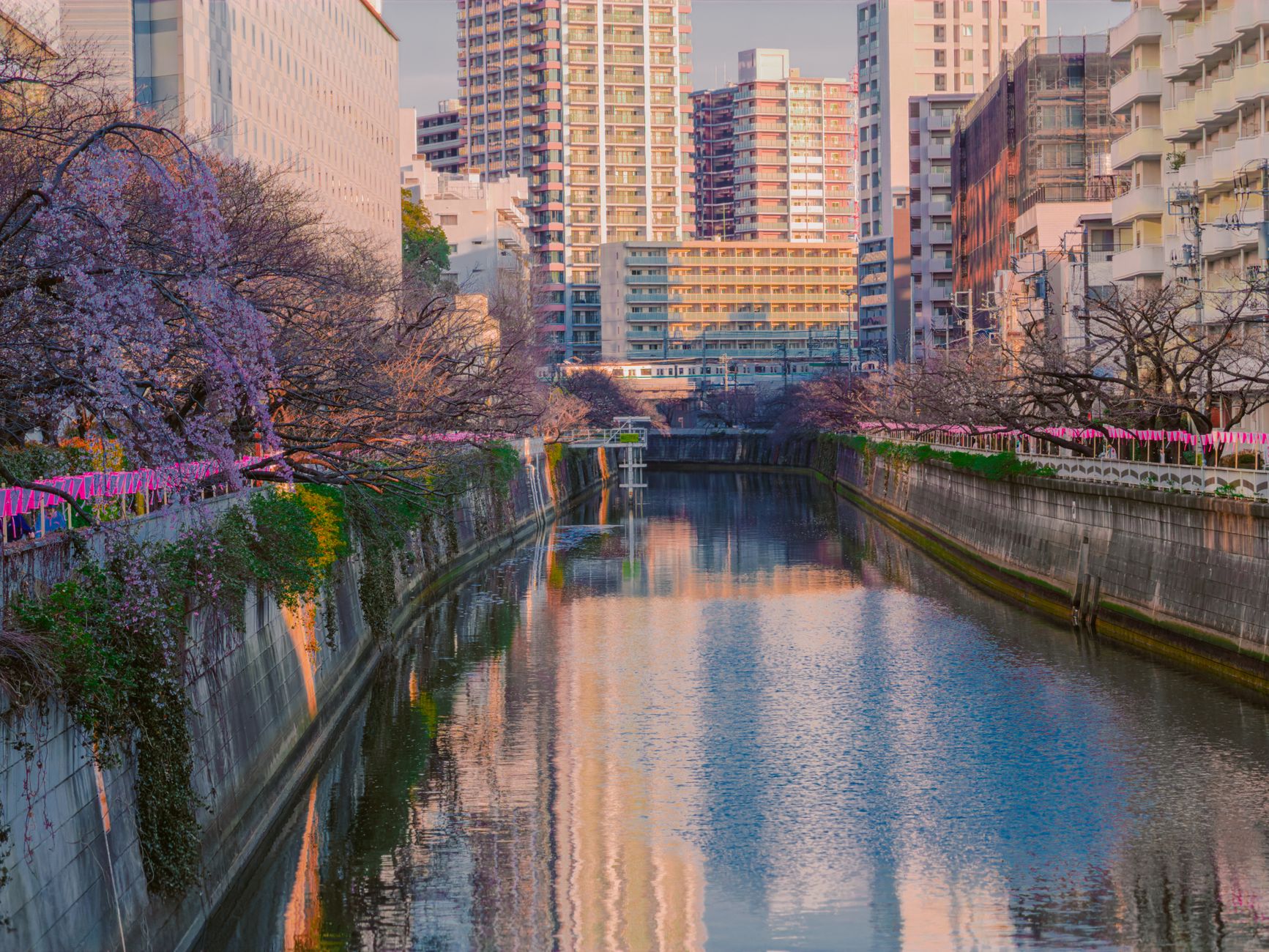
Spring weather is generally comfortable, but pollen can be a serious issue, especially during cedar and cypress pollen season, which typically runs from around February into April or early May depending on the region. If you have hay fever, consider packing:
- Face masks
- Sunglasses
- Tissues
- Any allergy medication you already use
If you run out, Japanese drugstores stock a wide range of over-the-counter hay fever products. They are often relatively affordable, with many common options costing around a few thousand yen, though prices depend on the product and pack size. Ask the pharmacist which product suits you, especially if you take other medication.
Handy items for spring: a mask, tissues, a compact umbrella, a light jacket, allergy-related products, and a portable water bottle.
Rainy Season (Tsuyu)
Japan's rainy season is generally called tsuyu. Its timing varies by region: it usually starts earlier in Okinawa (around May), while much of mainland Japan sees it from around June into July. Hokkaido is not considered to have an official rainy season.
During tsuyu, early summer can be humid and wet, frequent rain can interrupt outdoor sightseeing, and visibility can be poor on some days, which matters if you hope to see views such as Mount Fuji. If your priority is clear skies and extensive outdoor sightseeing, tsuyu may be less convenient, and another period may suit you better. Museums, shopping districts, and indoor attractions are easier to enjoy at this time.
Handy items for the rainy season: a compact umbrella, waterproof shoes or shoe covers, quick-dry clothing, a small towel, and a waterproof bag for your phone and documents.
Summer: Heat, Okinawa and Typhoons
After the rainy season, summer in big cities such as Tokyo and Osaka is typically hot and humid. Walking between stations, riding crowded trains, and sightseeing in areas with little shade can make days more tiring than you expect, so plan breaks indoors and drink water regularly.
Summer is also a popular time for Okinawa, Japan's southernmost prefecture, known for its beaches, swimming, marine activities, and tropical scenery.
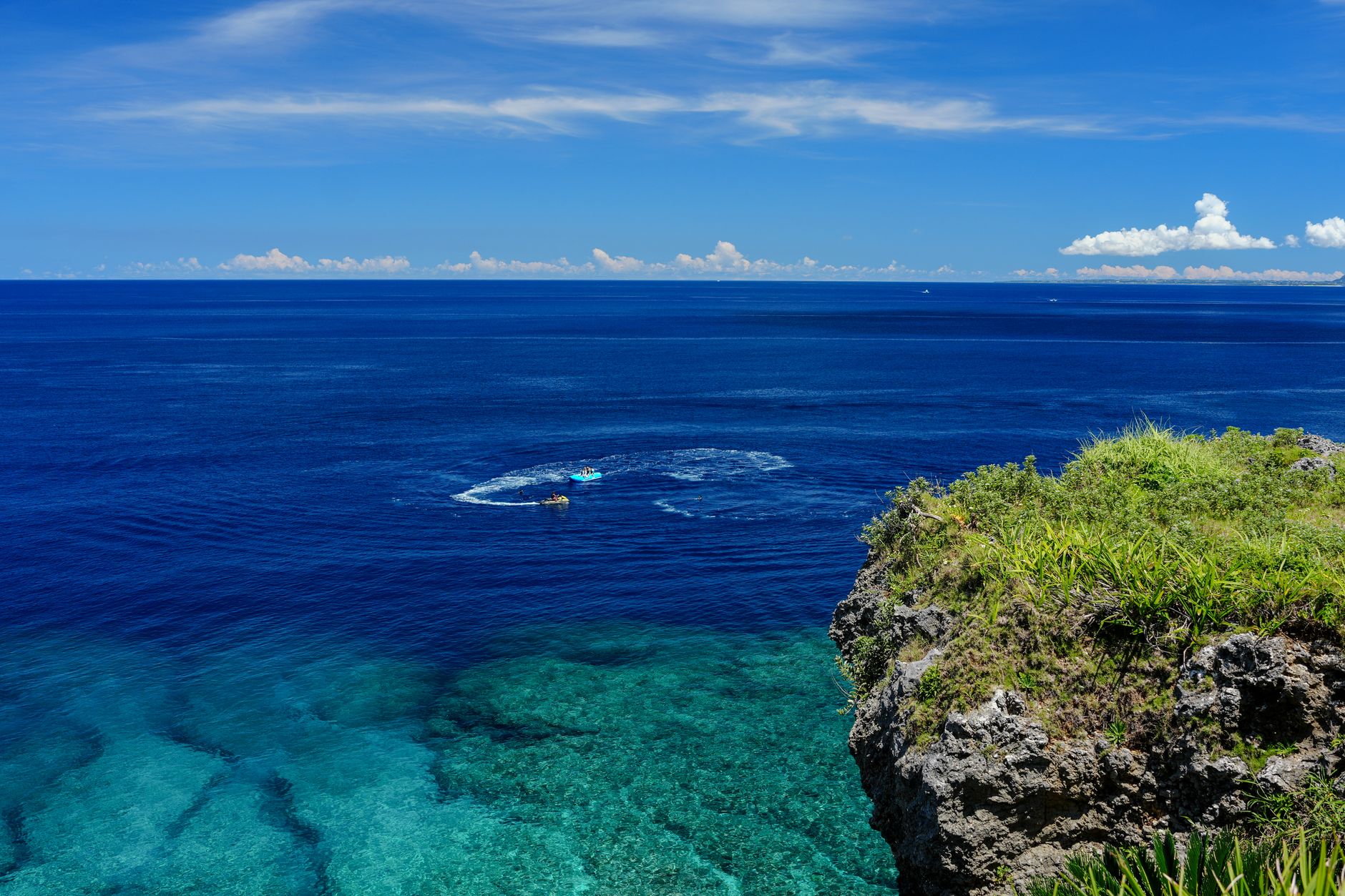
However, Okinawa is not automatically ideal throughout the entire summer because weather can be affected by typhoons. From summer into autumn, typhoons can disrupt flights, ferries, and outdoor activities, and Okinawa is often among the first areas affected.
Handy items for summer: UV protection, a hat, sunglasses, a portable fan, a cooling towel, a water bottle, and breathable clothing. Many of these are easy to find at convenience stores, drugstores, and discount stores such as Don Quijote.
September: Heat and Typhoon Season Continue
September is often thought of as autumn, but it can still be hot and humid, and typhoon risk remains relevant. Okinawa can be particularly affected by typhoon conditions, and flights and outdoor activities can be disrupted. Weather varies a lot from year to year, so a September trip can still go smoothly with some preparation:
- Keep your itinerary flexible, with a spare day if possible
- Consider travel insurance that covers weather-related delays
- Check weather forecasts in the days before and during your trip
- Avoid overly tight connections between flights, ferries, and trains
- Have indoor backup plans for rainy or stormy days
Need Help Planning Around Japan's Weather?
Need help planning around Japan's weather, transportation, or seasonal conditions? GMS Japan Concierge & Support can help with custom itinerary planning, local transportation coordination, and reservation assistance. See our concierge services.
✉ Ask Us — GMS Travel SupportOctober and November: Comfortable Travel Weather
From October, many parts of Japan become more comfortable for sightseeing. Autumn temperatures vary by region and elevation, and October can still see the occasional typhoon. November becomes noticeably cooler, especially in the mornings and evenings, so pack layers you can add and remove easily. If you find you packed too lightly, you can buy affordable warm clothing in Japan (see the UNIQLO section below).
Handy items for autumn: a light jacket, layers, a compact umbrella, and comfortable walking shoes.
Winter: Hokkaido Snow or City Sightseeing
Winter is a great time for Hokkaido if you want snow scenery, skiing, and other winter activities. Sapporo is the region's main city, and resort areas such as Niseko are popular for skiing.
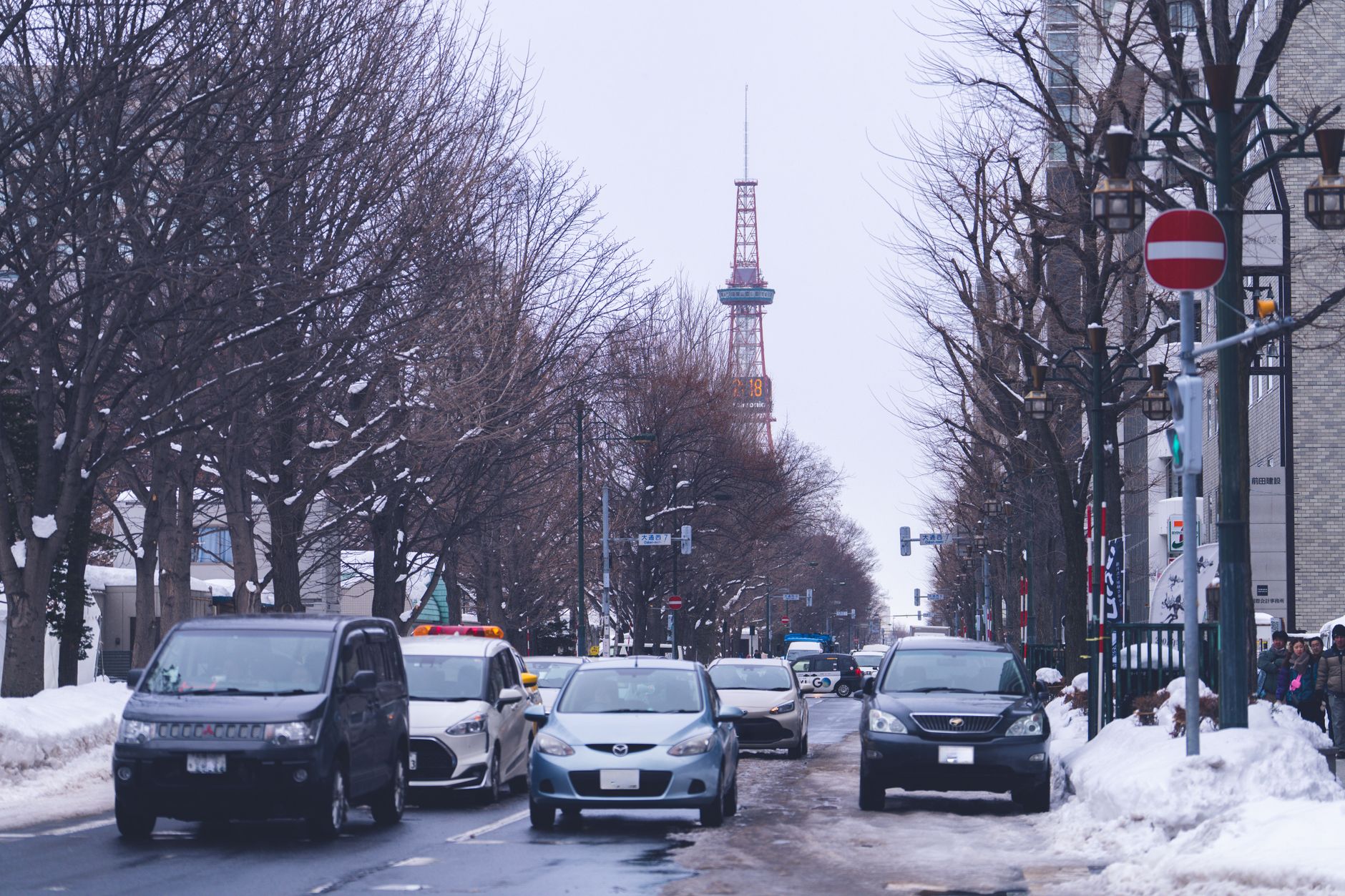
Winter does not have to mean Hokkaido, though. Choose based on the trip you want:
- Snow and skiing: Hokkaido
- Urban winter sightseeing: Tokyo, Osaka, or Kyoto, where winters are usually cold but much milder than in Hokkaido
- A warmer winter escape: Okinawa
Handy items for winter: a down jacket, heat-retaining base layers, gloves, warm socks, disposable hand warmers (sold at convenience stores and drugstores), and waterproof shoes for snowy regions.
Seasonal Packing at a Glance
| Season | Weather | Good destinations | Essential items | Main concern |
|---|---|---|---|---|
| Spring | Mild; pollen season | Tokyo, Kyoto | Light jacket, mask, tissues | Pollen and cherry blossom crowds |
| Rainy season (tsuyu) | Humid and rainy | Cities, museums, indoor attractions | Umbrella, quick-dry clothes, waterproof bag | Frequent rain |
| Summer | Hot and humid | Okinawa, beach areas | Hat, water bottle, UV protection | Heat and typhoons |
| September | Often still hot; typhoon risk | Flexible city itineraries | Umbrella, breathable layers | Typhoons and disruptions |
| October–November | Mild to cool | Tokyo, Kyoto, Hokkaido (early autumn) | Layers, light jacket | Temperature changes |
| Winter | Cold; snowy in the north | Hokkaido, Tokyo, Osaka, Kyoto, Okinawa | Down jacket, warm layers, gloves | Cold and snow |
Plan Your Trip Around the Season
Use the GMS AI Planner to build a Japan itinerary of up to 7 days. Enter your destination, dates, travel style and interests to get a day-by-day draft you can adjust.
Plan My Japan Trip with GMS AI PlannerFor a longer trip, our two-week Japan itinerary guide shows how to combine several cities.
Comprehensive Packing Essentials
Seasonal Packing Lists
Spring Packing List:
- Clothing: Light jackets, sweaters, long-sleeved shirts, and comfortable pants. A light scarf for cooler evenings is also advisable.
- Footwear: Comfortable walking shoes or sneakers are recommended, as you may be doing a lot of sightseeing.
- Accessories: An umbrella may be useful for spring showers. Sunglasses and a hat are also good for sunny days. A small first aid kit can be handy for minor injuries during outdoor activities.
Summer Packing List:
- Clothing: Lightweight and breathable fabrics, such as cotton or linen. Short-sleeved shirts, shorts, sun dresses, and a swimsuit if you plan to visit beaches or hot springs.
- Footwear: Sandals or breathable sneakers. Consider flip-flops for beach outings.
- Accessories: Sunscreen, sunglasses, a wide-brimmed hat, and a reusable water bottle to stay hydrated. A portable charger for your devices can be beneficial, especially if you plan on using your phone for navigation.
Autumn Packing List:
- Clothing: Layering is key, so pack long-sleeved shirts, cardigans, and a medium-weight jacket. Scarves and hats can add warmth without taking up much space in your luggage.
- Footwear: Comfortable walking shoes are still essential, with the addition of warmer socks if you plan to explore more remote areas.
- Accessories: A light rain jacket is advisable as autumn can bring unexpected showers. A travel umbrella can also be useful during this season.
Winter Packing List:
- Clothing: Heavy jackets, thermal layers, sweaters, and warm pants. Consider packing a thicker coat if you plan to visit snowy areas.
- Footwear: Insulated and waterproof boots are crucial for colder temperatures and potential snow.
- Accessories: Warm gloves, hats, and scarves to protect against the chill. Don’t forget to pack thermal socks and possibly hand warmers for added comfort. A good quality camera can also be great for capturing the winter landscapes.
Where to Buy Affordable Winter Clothes in Japan
If you underestimated the cold, UNIQLO is one of the easiest places to buy warm clothing in Japan. Its stores are widely available, the clothing is practical and relatively affordable, and you can usually find items such as down jackets, heat-retaining base layers, fleece, gloves, and warm socks. Products and prices change by season, so check what is available when you visit.
Stores that are convenient for travelers include:
- Tokyo: UNIQLO Shinjuku HONTEN, a large store near Shinjuku Station, plus other stores in major shopping areas
- Osaka: UNIQLO UMEDA, a short walk from JR Osaka Station, and UNIQLO SHINSAIBASHI in the Shinsaibashi shopping street, with more stores around Namba
- Kyoto: UNIQLO Kyoto Yodobashi, a few minutes' walk from Kyoto Station
- Hokkaido: stores in central Sapporo, including near Sapporo Station and in the Odori area
Store details and opening hours can change, so check the official UNIQLO store locator (in Japanese) before you go. For other everyday items, convenience stores, drugstores, discount stores such as Don Quijote, and large electronics retailers are also useful.
Common Mistakes to Avoid
When preparing for your trip, be mindful of these common packing mistakes:
- Overpacking: It's easy to overpack when trying to prepare for varying weather conditions. Stick to versatile clothing items that can be layered.
- Ignoring Weather Reports: Always check the weather forecast before your trip to adjust your packing list accordingly. Conditions can change rapidly.
- Forgetting Essentials: Items like medication, travel adapters, and toiletries should be on your packing list to avoid unnecessary purchases abroad.
Travel Accessories and Cultural Considerations
In addition to clothing, consider packing travel accessories that can enhance your experience:
- Travel Adapter: Japan uses Type A and Type B plugs, so a universal travel adapter is essential for charging your devices.
- eSIM, Pocket Wi-Fi or SIM Card: Staying connected is important, so consider an eSIM, renting a pocket Wi-Fi device, or purchasing a local SIM card for your phone. Our guide to the best eSIM for Japan travel compares the options.
- Phrasebook or Language App: While many Japanese people speak English, having a phrasebook or a language app can help you navigate conversations and enhance your interactions.
Tips for Navigating Japan's Transportation System
Japan has an efficient and extensive transportation system. Here are some tips to help you navigate:
- Compare Rail Passes and Tickets: If you plan to travel between cities, compare the Japan Rail Pass with individual tickets and regional passes before buying. Our guide to JR Pass alternatives for short trips explains the options.
- Learn Basic Train Etiquette: Be mindful of others by keeping your voice down and avoiding phone calls on public transport.
- Use Navigation Apps: Apps like Google Maps or Japan Travel by NAVITIME can help you find the best routes and schedules for trains and buses.
Quick Packing Checklist
Every season
- Passport
- Phone and charger
- Comfortable walking shoes
- An IC card or other payment method
- A small day bag
Warm months
- Breathable clothes
- Sunscreen
- A hat
- A water bottle
Rainy period
- A compact umbrella
- A waterproof bag
Cold months
- Warm layers
- A down jacket
- Gloves
- Warm socks
Allergy season
- Masks
- Tissues
- Allergy medication, if needed
If this is your first time traveling alone, our guide to planning a first solo trip to Japan covers the steps before you pack.
How to Verify Your Packing List
The best way to ensure you’ve packed everything necessary is to create a checklist based on the information provided above. Lay out your planned outfits and check them off as you pack. This method helps to visualize what you will wear and prevents items from being forgotten. Additionally, consider packing cubes to keep your luggage organized and make it easier to find items during your travels.
Conclusion
Packing for a trip to Japan involves careful consideration of the season you plan to visit. By tailoring your packing list to each season's specific weather conditions, you can ensure a comfortable and enjoyable travel experience. Remember to check the forecast before departure and adjust your list as needed. With proper planning, you’ll be ready to explore the unique culture and beauty of Japan throughout the year. Be thoughtful in your preparations, and you will enhance your overall experience in this beautiful country.


