

Introduction
Japan is a land of stunning contrasts, blending ancient traditions and cutting-edge technology. For first-time visitors, planning a two-week itinerary in Japan can seem daunting. However, with a structured approach, you can craft an unforgettable journey that encompasses the vibrant culture, delicious cuisine, and breathtaking landscapes of this unique country.
Step 1: Define Your Travel Goals
Before diving into the specifics, consider what you want to achieve during your two-week trip. Are you interested in cultural experiences, food adventures, or natural wonders? Understanding your priorities will help you make informed decisions about your itinerary. For example, if you are a history enthusiast, you might prioritize cities like Kyoto and Hiroshima, while food lovers may want to spend more time in Osaka, known for its street food.
Step 2: Choose Your Destinations
Japan offers a plethora of attractions, but for a two-week itinerary, it’s essential to focus on a few key locations. A popular route for first-time visitors includes:
- Tokyo: The bustling capital city known for its skyscrapers, shopping districts, and historic temples. Don't miss the vibrant neighborhoods of Shibuya and Harajuku.
- Kyoto: Famous for its classical Buddhist temples, as well as gardens, imperial palaces, and traditional wooden houses. Plan visits to Kinkaku-ji (Golden Pavilion) and Fushimi Inari-taisha.
- Osaka: Renowned for modern architecture, nightlife, and delicious street food. Dotonbori is a must-visit for its neon lights and culinary delights.
- Hiroshima: A city with a poignant history, known for the Peace Memorial Park and nearby Miyajima Island. Take time to reflect on the history while enjoying the local okonomiyaki.
- Nara: Home to free-roaming deer and significant temples, it's a great day trip from Kyoto. Visit Todai-ji Temple and Nara Park to enjoy the serene environment.
Step 3: Plan Your Transportation
Japan's public transportation system is efficient and reliable. For a two-week itinerary, a 14-day Japan Rail Pass may be considered, but compare its cost with individual tickets and regional passes before purchase. The 14-day pass currently costs ¥80,000, and passes purchased on or after October 1, 2026 will cost ¥84,000. Nozomi services also require an additional ticket for pass holders. Here’s how the legs of this itinerary fit together:
- Tokyo to Kyoto: About 2 hours 15 minutes by Nozomi on the Tokaido Shinkansen.
- Kyoto to Nara and back (day trip): About 41 minutes by JR rapid train, or about 34 minutes by Kintetsu limited express. From Osaka, Nara is about 52 minutes by JR from Osaka Station, or about 34 minutes by Kintetsu from Osaka-Namba.
- Kyoto to Osaka: A short train ride of about 30 minutes.
- Osaka to Hiroshima: About 1.5 hours by Shinkansen.
- Hiroshima to Tokyo: About 4 hours by Shinkansen.
Travel times vary by train, so check current timetables before you go. If you have not booked flights yet, our Narita vs Haneda comparison explains which Tokyo airport is more convenient for your arrival.
Step 4: Create a Daily Itinerary
With your destinations and transportation set, draft a daily itinerary. Here’s a sample breakdown:
- Days 1-3: Tokyo
- Explore Shibuya and Shinjuku, visit Meiji Shrine, and enjoy a day at Tokyo Disneyland. Consider a guided tour to maximize your time. Don’t forget to try local specialties like sushi and ramen.
- Days 4-6: Kyoto
- Visit Kinkaku-ji (Golden Pavilion), Fushimi Inari-taisha, and take part in a traditional tea ceremony. Allocate time for shopping in the Gion district and enjoy a kaiseki meal for an authentic experience.
- Day 7: Nara
- Spend a day visiting Todai-ji Temple and Nara Park. Don’t forget to try local specialties like kakinoha-zushi and enjoy the peaceful atmosphere with the deer.
- Days 8-9: Osaka
- Enjoy the nightlife in Dotonbori and visit Osaka Castle. Sample street food like takoyaki and okonomiyaki, and explore the bustling shopping streets.
- Days 10-11: Hiroshima
- Explore the Peace Memorial Park and take a ferry to Miyajima Island. Try the famous Hiroshima-style okonomiyaki and visit the Itsukushima Shrine.
- Days 12-14: Return to Tokyo
- Spend your last days shopping, exploring Akihabara, and visiting the Tokyo Skytree. Consider a day trip to nearby Nikko for its UNESCO World Heritage sites, including the Toshogu Shrine.
Build Your Own Two-Week Japan Itinerary
A two-week trip gets complicated once you combine Tokyo, Kyoto, Osaka, Hiroshima and day trips. Instead of starting from a blank page, you can use the GMS AI Planner, part of OneTap, to turn a destination, start date, travel style and interests into a structured, day-by-day plan. Each plan covers up to 7 days, so for a 14-day trip, plan each part of your route (for example, your Tokyo days and your Kyoto and Osaka days) separately.
Plan Your Trip with the GMS AI Planner
Want to build the plan yourself? Enter your destination and preferences and get a day-by-day draft itinerary to adjust.
Plan My Japan Trip with GMS AI PlannerStep 5: Consider Sightseeing Tours
On a first visit, a tour can be an easy way to see several major sights in Tokyo without working out every connection yourself.
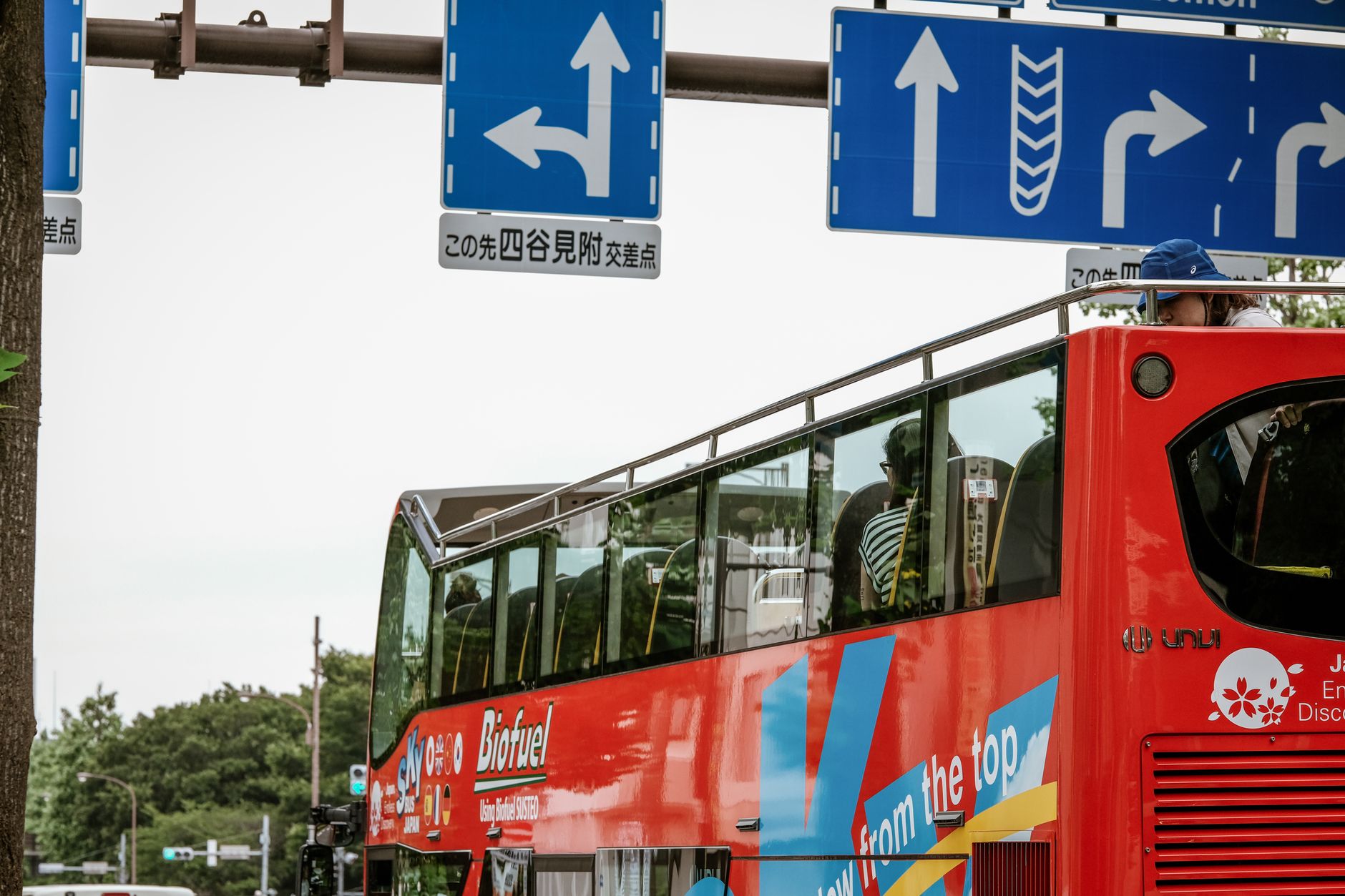
Sightseeing buses (for example, Hato Bus): Hato Bus runs half-day and full-day Tokyo tours, including tours with English-speaking guides. A bus tour suits first-time visitors who want to cover several landmarks in one go and prefer not to plan their own transport. Routes, departure points, times and prices vary by tour and season, so check the operator's official site before booking.
Sightseeing taxis: several Tokyo taxi companies offer hourly sightseeing charters, often from a minimum of 3 hours, with drivers trained to guide visitors around the city. A private taxi suits families, small groups, older travelers, and anyone carrying luggage or wanting door-to-door flexibility.
| Option | Best for | Planning effort | Flexibility | Typical use |
|---|---|---|---|---|
| Self-guided | Independent travelers | Higher | High | Explore at your own pace by train and on foot |
| Sightseeing bus | First-time visitors | Low | Medium | See several landmarks on a set route |
| Guided tour | Travelers who want background and context | Low | Medium | History- and culture-focused visits with a guide |
| Sightseeing taxi | Families and small groups | Low | High | Door-to-door sightseeing on your own schedule |
How a Tour Can Fit into Your Trip
| Pattern | How it works | Good for |
|---|---|---|
| Morning on your own + afternoon tour | Explore one area in the morning, then join a half-day tour | Seeing a lot without a full day on a bus |
| Full-day sightseeing tour | One tour covers the main sights, often with lunch options | Your first full day in Tokyo |
| Private sightseeing taxi | A few hours with a driver on your own route | Families, groups, or travelers with limited mobility |
Example Tokyo day (illustrative only, not an actual tour timetable):
| Time | Plan |
|---|---|
| 09:00 | Leave your hotel |
| 09:30 | Asakusa: Kaminarimon Gate, Nakamise shopping street and Senso-ji Temple |
| 12:00 | Lunch in Asakusa |
| 13:30 | Half-day sightseeing bus or guided tour |
| 16:30 | Ginza or the Tokyo Station area |
| 18:00 | Dinner |
Want Help Planning Your Route Through Japan?
Prefer to talk it through with a person? GMS Japan Concierge & Support can help with custom itinerary planning, local transportation coordination and reservation assistance for your two-week trip. GMS does not sell rail passes or tour tickets.
✉ Ask Us — GMS Travel SupportFitting Asakusa into Your Tokyo Days
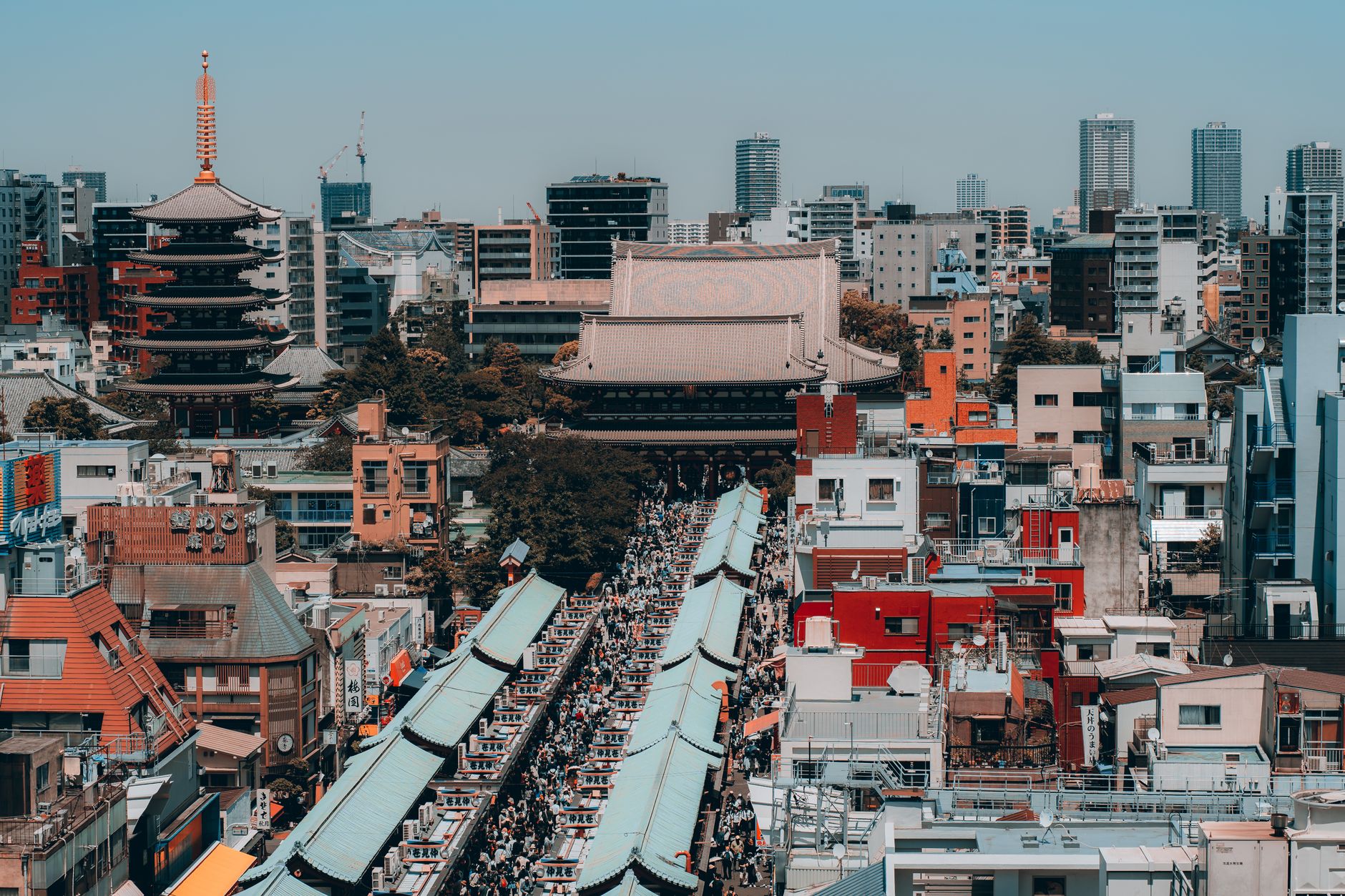
Asakusa is one of the easiest places to experience traditional Tokyo, and it works well on your first or last days in the city.
- What to see: enter through Kaminarimon (Thunder Gate), walk Nakamise shopping street to the Hozomon Gate, and visit Senso-ji Temple and its five-story pagoda.
- Morning or afternoon: mornings are usually quieter and better for photos, though some Nakamise shops may not be open yet. Afternoons are busier but livelier.
- Time needed: allow roughly 2 to 3 hours for the main sights and a snack or lunch.
- Nearby: Tokyo Skytree is one stop away on the Tobu Skytree Line, and Kappabashi kitchenware street is a short walk away, so Asakusa pairs well with the Skytree visit on Days 12–14.
Step 6: Consider Accommodation Options
Japan offers various accommodation types, from luxury hotels to traditional ryokans (Japanese inns). Book your stays in advance, particularly in popular areas. Websites like Booking.com and Airbnb provide numerous options to suit different budgets. For neighborhood advice, see where to stay in Tokyo for first-time visitors and the best area to stay in Kyoto. Consider staying in a ryokan for a unique cultural experience, complete with tatami mats and kaiseki meals. In Kyoto, a restored townhouse is another option; see our comparison of machiya vs. hotels in Kyoto. Additionally, capsule hotels can be an interesting and budget-friendly option for a night in Tokyo.
Common Mistakes to Avoid
- Overpacking Your Itinerary: Avoid cramming too many activities into each day; allow time to relax and explore. It’s better to enjoy a few experiences fully than to rush through many. Consider leaving some free time in your schedule to discover hidden gems.
- Ignoring Local Customs: Familiarize yourself with Japanese etiquette, such as bowing and removing shoes in homes and some traditional establishments. This respect for culture will enhance your interactions and show appreciation for the local way of life.
- Not Planning for Language Barriers: While many Japanese people speak basic English, learning a few key phrases can enhance your experience. Consider downloading translation apps or carrying a phrasebook. It can be helpful to know how to say "thank you" (arigatou gozaimasu) and "excuse me" (sumimasen).
Verifying Your Itinerary
As you finalize your itinerary, ensure that each destination aligns with your travel goals. Double-check train schedules and reserve accommodations to avoid last-minute issues. A well-planned itinerary will foster a seamless travel experience, allowing you to savor each moment in Japan.
Conclusion
Planning a two-week itinerary in Japan for first-time visitors can be rewarding and exciting. By defining your goals, selecting key destinations, and organizing your transportation and accommodation, you can create a memorable journey through this fascinating country. Remember to stay flexible and open to new experiences, and enjoy your adventure in Japan!
FAQ
What is the best time to visit Japan?
Spring and autumn are the most popular seasons. In Tokyo and Kyoto, cherry blossoms are generally at their best from late March to early April. In many parts of Japan, autumn foliage peaks in November, while Kyoto's main viewing period generally begins around mid-November. Each season offers unique experiences, so choose based on your interests.
Do I need to book train tickets in advance?
You can usually buy tickets on the day of travel, but reserving seats in advance is sensible during busy periods, when Nozomi trains may operate with reserved seats only. Whether a Japan Rail Pass saves money depends on your route, so compare its price with individual tickets before buying.
How can I stay connected while in Japan?
Consider renting a pocket Wi-Fi device or purchasing a local SIM card to stay connected during your travels. This will help you navigate and stay in touch with fellow travelers easily. Additionally, many cafes and public places offer free Wi-Fi, which can be useful for staying connected without incurring extra costs.


