

Introduction
Planning your first solo trip to Japan can be an exhilarating experience, filled with anticipation and adventure. However, it can also bring about a fair share of anxiety. This guide aims to equip you with the necessary steps to confidently navigate your journey, ensuring you enjoy every moment in this fascinating country. This article will address key considerations, a step-by-step planning process, and common mistakes to avoid.
Key Considerations Before You Go
Before diving into the planning process, it’s important to understand a few prerequisites:
- Research: Familiarize yourself with Japan's culture, language, and customs. Knowing some basic Japanese phrases can enhance your interactions. Consider learning greetings, common expressions, and essential phrases that can help you navigate daily situations.
- Travel Documents: Your passport must be valid for your entire stay in Japan. Some airlines or transit countries may apply stricter requirements, so check with your airline and relevant official travel information before departure. Research the visa requirements based on your nationality, as these can vary significantly. Many travelers from Western countries can enter Japan for short stays without a visa, while others may need to apply in advance. Check current official information before booking.
- Travel Insurance: Consider getting travel insurance that covers medical emergencies and trip cancellations. Look for policies that specifically cover activities you might engage in, such as hiking or cultural tours.
Step-by-Step Guide to Planning Your Solo Trip to Japan
Step 1: Define Your Travel Goals
Decide what you want to achieve with this trip. Are you looking to immerse yourself in the culture, explore historical sites, or indulge in culinary experiences? Setting clear goals will shape your itinerary. For instance, if food is your primary focus, you might prioritize cities known for their culinary scenes, like Osaka and Tokyo.
Step 2: Choose Your Travel Dates and Create Your Itinerary
Select the best time to visit Japan based on your interests. Cherry blossom season in spring (March to April) and the colorful foliage in autumn (October to November) are popular times. However, consider off-peak seasons for fewer crowds and better rates. Research local festivals during your travel dates, as they can provide unique cultural experiences.
Outline the cities and attractions you wish to visit. A suggested itinerary could include:
- Tokyo: Explore Shibuya, Shinjuku, and the historic Asakusa district. Don’t miss the Meiji Shrine and the vibrant Harajuku area.
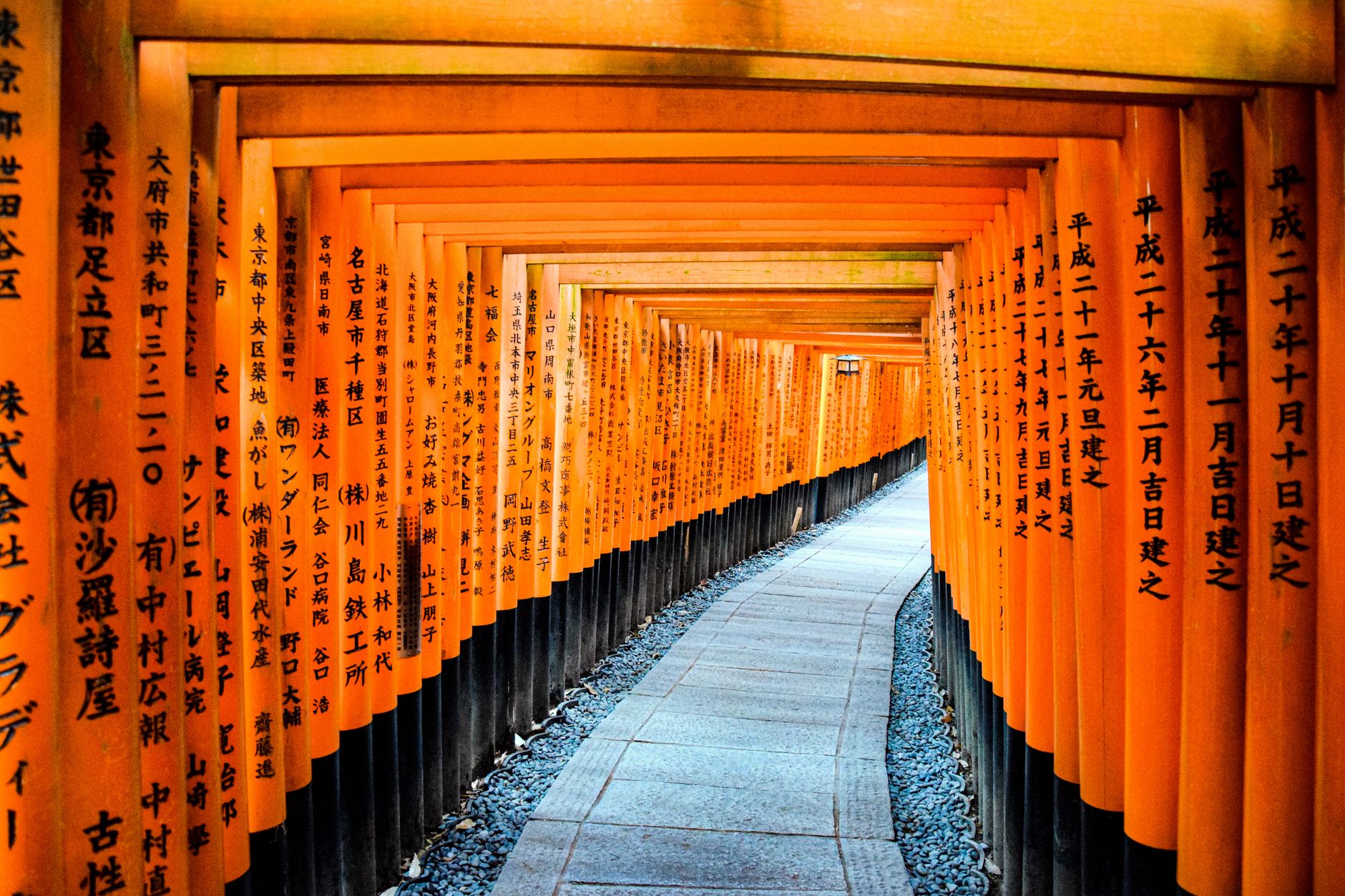
- Kyoto: Visit the famous Kinkaku-ji (Golden Pavilion) and experience traditional tea ceremonies. Consider adding a day trip to Arashiyama for its bamboo grove and monkey park.
- Osaka: Indulge in street food and visit the bustling Dotonbori area. Try local specialties like takoyaki and okonomiyaki.
- Hiroshima: Learn about the city's history and visit the Peace Memorial Park. A day trip to Miyajima Island to see the floating torii gate is also highly recommended.
Want to Build Your Own Japan Itinerary?
Instead of planning every day manually, you can use the GMS AI Planner, part of OneTap, GMS's AI travel concierge for Japan. Enter your destination, start date, trip length (up to 7 days), travel style and interests, and it builds a structured, day-by-day itinerary you can use as a starting point.
Plan Your Japan Trip with the GMS AI Planner
Tell the AI Planner where you are headed and what you enjoy, and get a day-by-day draft itinerary to refine.
Plan My Japan Trip with GMS AI PlannerStep 3: Budget Your Trip and Book Your Flights and Accommodation
Calculate your budget, considering accommodation, transportation, food, and activities. Japan can be expensive, but options like hostels, capsule hotels, and local eateries can help manage costs. Remember to factor in a daily budget for unforeseen expenses. Research average costs for meals, transportation, and attractions to create a realistic budget. A typical meal can vary in price depending on where you eat.
Use travel search engines to find the best flight deals. When booking accommodation, consider factors like location, price, and amenities. Websites like Booking.com and Airbnb offer various options ranging from traditional ryokans to modern hotels. Look for accommodations that provide easy access to public transport to simplify your travel within cities. Many capsule hotels and hostels offer single-occupancy options, which can keep costs down when you travel alone. If Tokyo is your first stop, our guide to where to stay in Tokyo for first-time visitors compares the main neighborhoods.
Step 4: Plan Your Transportation and Prepare for Cultural Differences
Japan's extensive public transport system is efficient and user-friendly.

A Japan Rail Pass can be useful when you cover long distances in a short period, but compare its cost with individual tickets before buying. Prices increased in 2023 and will increase again for passes purchased on or after October 1, 2026. Familiarize yourself with the subway systems in Tokyo and Osaka to navigate within cities. Download transportation apps that can help you plan routes and check train schedules in real-time. A rechargeable IC card such as Welcome Suica also makes local trains and subways much easier, since you simply tap in and out instead of buying a ticket for every ride.
Flight or Shinkansen?
Between major cities such as Tokyo, Kyoto and Osaka, many first-time visitors wonder whether to fly or take the shinkansen. The figures below are typical guides only: journey times vary by service, and fares vary by ticket type, seat type, season, airline and how early you book.
| Domestic flight (Tokyo–Osaka) | Shinkansen (Tokyo–Osaka) | |
|---|---|---|
| Time on board | About 1 hour 10 minutes (Haneda–Itami, typical schedule) | About 2 hours 20–30 minutes by Nozomi (Tokyo–Shin-Osaka) |
| Getting there | Airports are outside the city center, so add transfer time at both ends | Tokyo Station and Shin-Osaka are well connected to central areas |
| Before departure | Airlines require you to clear security at least 20 minutes before departure (JAL and ANA domestic flights) | No airport-style security check; arrive with enough time to find your platform |
| Luggage | Check-in baggage rules apply | Oversized luggage needs a seat with a luggage space reserved in advance on the Tokaido Shinkansen |
| Best for | Long distances, such as Tokyo to Hokkaido or Okinawa | City-center to city-center trips like Tokyo–Kyoto–Osaka |
Domestic flight (typical steps)
Shinkansen (typical steps)
For the Tokyo–Kyoto–Osaka route, the shinkansen is often the simpler choice once airport transfers and security are included.
Planning Your First Trip to Japan Alone?
GMS Japan Concierge & Support helps travelers turn a general travel idea into a practical plan: custom itinerary planning, local transportation coordination, restaurant and attraction reservation assistance, and interpretation support, all through one point of contact. Tell us your dates and what you want to see, and we will suggest how GMS can help. See our concierge services.
✉ Ask Us — GMS Travel SupportUnderstanding Japanese etiquette can enhance your experience. For example:
- Bowing is a common greeting.
- Be polite and respectful, especially when interacting with locals.
- Familiarize yourself with dining etiquette, such as saying "Itadakimasu" before meals.
- Tipping is not customary in Japan and may cause confusion. A simple "arigato gozaimashita" is the usual way to show thanks.
- Eating alone is common in Japan. Ramen counters, conveyor-belt sushi, and set-meal restaurants are all comfortable places to dine solo.
Step 5: Stay Connected
When you travel alone, your phone is your map, translator and guidebook, so plan how you will get mobile data before you leave.
What is an eSIM? An eSIM is a digital SIM built into many recent smartphones. Instead of inserting a physical SIM card, you buy a data plan online and install it by scanning a QR code or through an app.
Why it is convenient in Japan:
- You can install it at home, so you can be online as soon as you land, without queuing at an airport counter.
- There is no small card to swap or lose, and your home SIM can stay in your phone.
- It covers what you will use most: maps and train route apps, translation apps, messaging, and checking or making restaurant and activity reservations.
eSIM vs SIM card vs pocket Wi-Fi: a physical SIM card must be picked up and inserted, and a pocket Wi-Fi device is a separate gadget to carry and charge, although it can be shared by a group. For a solo traveler with a compatible phone, an eSIM is often the simplest option.
Before you go: check that your phone supports eSIM and is not locked to your home carrier, compare data allowances and validity periods, and install the plan while you still have a reliable connection. For a comparison of options, see our guide to the best eSIM for Japan travel.
It also helps to plan how you will pay. Credit cards are widely accepted in cities, but carry some cash for smaller shops and rural areas, and use your IC card for transport. In an emergency, dial 110 for the police or 119 for fire and ambulance.
Common Mistakes and Risks
- Underestimating Travel Time: Japan's train system is efficient, but always account for travel time between cities and attractions. Plan your itinerary with some buffer time to avoid rushing.
- Not Learning Basic Japanese: While many Japanese people understand basic English, knowing a few phrases can go a long way in making your experience more enjoyable. Practice common phrases or download a translation app to assist you.
- Ignoring Local Customs: Familiarize yourself with local customs and etiquette to avoid unintentional disrespect. For instance, removing your shoes when entering someone's home or certain traditional accommodations is customary.
Conclusion
Planning your first solo trip to Japan doesn't have to be daunting. With this step-by-step guide, you can approach your journey with confidence and excitement. Remember to embrace the adventure and create unforgettable memories. Take the time to reflect on your experiences and consider journaling during your trip to capture your thoughts and feelings. Start planning today and get ready for an incredible journey!
FAQ
Q: Is Japan safe for solo travelers?
A: Yes, Japan is considered one of the safest countries for solo travelers, with low crime rates and friendly locals. However, it's always wise to stay aware of your surroundings and follow common safety practices.
Q: How do I communicate if I don’t speak Japanese?
A: Many signs and menus are available in English, and using translation apps can help bridge the language gap. Additionally, learning a few key phrases can enhance your interactions with locals.
Q: What should I pack for my trip to Japan?
A: Pack light and versatile clothing, comfortable walking shoes, and any necessary electronics with appropriate adapters. Don't forget a portable charger for your devices, as you will likely be using your phone for navigation and communication. Also, consider packing a small umbrella or a light rain jacket, as weather can be unpredictable. For a season-by-season list, see what to pack for a trip to Japan in each season.


