

When planning a trip to Tokyo, one of the most crucial decisions travelers face is whether to fly into Narita or Haneda airport. Both airports serve the Greater Tokyo area, but they cater to different needs and offer unique advantages. This guide will help you determine which airport is better for your journey, based on key criteria and practical recommendations.
Direct Answer
For most travelers, Haneda Airport is typically the better choice if you're looking for convenience, proximity to central Tokyo, and a smoother arrival experience. However, Narita Airport may be more suitable for international flights and budget airlines. Your final decision should consider factors such as flight availability, transportation options, and your final destination within Tokyo.
Methodology for Evaluation
In evaluating Narita and Haneda airports, we consider several key criteria: location and accessibility, flight options, facilities and services, and cost. Each of these factors plays a significant role in determining which airport may be more suitable for your travel needs. We also analyze realistic scenarios for different types of travelers, including business travelers, tourists, and budget travelers, to provide tailored recommendations.
Key Criteria to Consider
1. Location and Accessibility
Haneda Airport is located just 14 km (about 9 miles) south of Tokyo, making it the closest airport to the city center. It offers quick access via various transport options, including the Tokyo Monorail and Keikyu Line, with travel times of around 20 to 30 minutes to central Tokyo. This proximity means you can spend less time traveling and more time enjoying your visit.
In contrast, Narita Airport is situated approximately 60 km (about 37 miles) east of Tokyo. While it provides excellent international connections, the travel time to central Tokyo is longer, typically ranging from 60 to 90 minutes via the Narita Express train or Airport Limousine Bus. This longer journey can be a significant factor if you are arriving after a long flight and eager to reach your accommodation.
2. Flight Options
Haneda Airport offers more domestic flights and a growing number of international routes, making it a preferred choice for those traveling within Japan or connecting to other Asian destinations. The airport is a hub for several major airlines, providing frequent flights to various locations. For example, major airlines like All Nippon Airways (ANA) and Japan Airlines (JAL) operate numerous flights from Haneda, enhancing its attractiveness for travelers.
On the other hand, Narita Airport primarily serves international flights and is a hub for many budget airlines. If you are flying from the U.S. or Europe, you may find more direct options to Narita, which could save you time and hassle. However, it’s essential to compare flight schedules and prices, as sometimes Haneda may have competitive international options. Websites like Skyscanner or Google Flights can help you compare these options effectively.
3. Facilities and Services
Both airports boast modern facilities, but Haneda has a reputation for being more user-friendly, with a wider range of shops and restaurants in its terminals. It also features lounges and amenities that cater to business travelers, including quiet areas and workspaces. The overall atmosphere at Haneda tends to be more pleasant, with better signage and easier navigation.
Narita has its own set of amenities, including duty-free shopping and various dining options, but it may feel less convenient due to its size and layout. Travelers might find themselves walking long distances between gates and services, which can be tiring after a long flight. Additionally, Narita offers unique experiences like cultural exhibits and relaxation areas that can enhance your waiting time. For instance, the airport has a small museum showcasing Japanese culture, which can be a nice diversion while waiting for your flight.
4. Cost
Transportation from Haneda to central Tokyo is generally cheaper and faster compared to Narita. The cost of a train ticket from Haneda to the city center is typically lower, and the shorter travel time means you can save on transportation costs overall. However, if you find a significantly cheaper flight to Narita, the savings might justify the additional travel time. It's advisable to calculate the total cost of your trip, including transportation, when comparing flight prices. For example, a train ticket from Haneda can cost around 500-1,000 yen, while from Narita, it can range from 2,500 to 3,000 yen.
Realistic Scenarios
For Business Travelers
If your trip to Tokyo is work-related, Haneda Airport is the preferred choice due to its proximity to the city and access to business districts like Minato and Shinjuku. You'll likely save both time and transportation costs, allowing you to maximize your productivity during your stay. Many business travelers appreciate the convenience of being closer to meetings and conferences, reducing stress and travel fatigue. Additionally, Haneda's facilities cater to business needs, with Wi-Fi and workspaces available in the terminals.
For Tourists
Tourists often prefer Haneda for its convenience. However, if you're coming from a destination that primarily flies into Narita, such as some European cities, it may be unavoidable. In that case, prepare for the additional travel time. If you have the flexibility to choose your flights, consider the total travel experience, including how quickly you can reach your hotel and start exploring the city. For tourists, Haneda's proximity allows for more time to experience Tokyo's attractions, such as the Meiji Shrine or the bustling streets of Shibuya.
For Budget Travelers
Budget-conscious travelers might find cheaper flights into Narita. If you can manage the transportation costs and time, Narita could be the better choice for your budget. Additionally, some budget airlines may only operate from Narita, so it’s worth checking all options. Just remember to factor in the cost and time of getting to your final destination in Tokyo when making your decision. Websites like Kayak or Momondo can help you find the best deals on budget flights.
Practical Recommendations
- Book Early: If you have a preference for either airport, book your flights early to secure the best rates. Prices can fluctuate significantly, and early booking often leads to better deals.
- Consider Travel Time: Factor in the time it takes to reach your accommodation when choosing your airport. If you're landing late at night, Haneda is preferable due to its shorter travel time. Late-night transport options are also more frequent from Haneda.
- Check Transport Options: Research the available transportation options from both airports to your hotel or destination in Tokyo to avoid any surprises. Familiarize yourself with train schedules, bus routes, and taxi services to ensure a smooth arrival.
Risks and Limitations
- Flight Availability: Depending on your travel dates, you might find limited flight options at either airport. It's essential to check availability well in advance, especially during peak travel seasons. Tools like FlightAware can provide insights into flight availability and delays.
- Crowds: Haneda can be busy, especially during peak travel times, which may result in longer wait times at check-in or security. Be prepared for potential delays and arrive at the airport early to ensure a stress-free experience.
- Transport Costs from Narita: While Narita offers budget flights, the transportation costs and longer travel times can offset any savings on airfare. Always calculate the total cost of your journey to make an informed decision. Use fare calculators available online to estimate your total transportation expenses.
How to Get from Central Tokyo to Haneda Airport
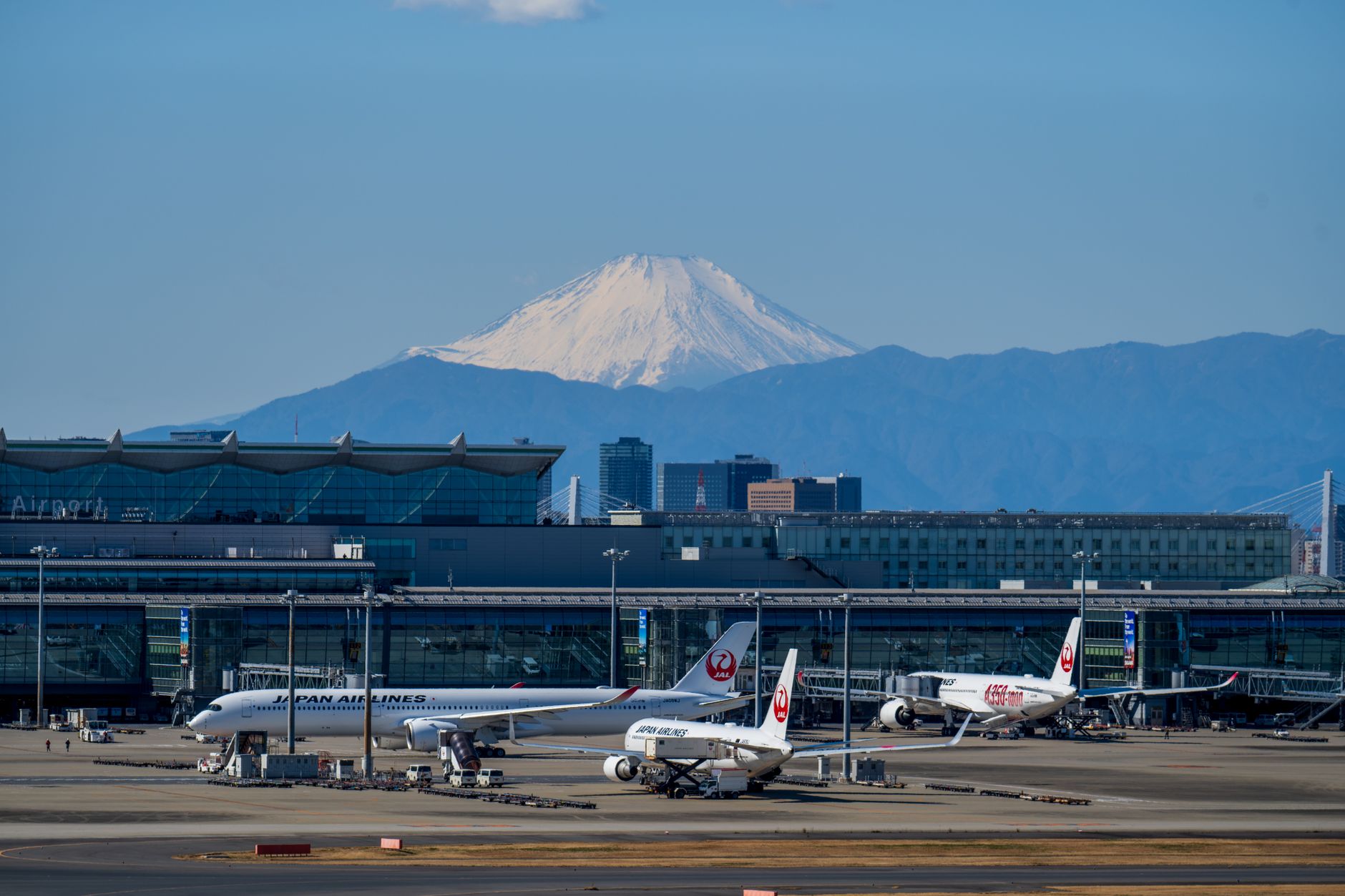
If you're staying in central Tokyo, the practical question is usually simple: how much time and money should I budget to get to Haneda? Here's a straightforward breakdown for three common starting points. All prices and times below are approximate — actual fares and travel times vary depending on time of day, traffic, the specific train/bus operator, and any fare changes since this article was written. Always confirm current fares on the operator's own site or ticket machine before you travel.
Tokyo Station → Haneda Airport
- Train: Take the JR Yamanote Line (or Keihin-Tohoku Line) to Hamamatsucho, then transfer to the Tokyo Monorail to Haneda. Total journey is around 30 minutes, with a fare in the range of roughly ¥500–¥660 depending on which monorail service you take.
- Taxi: Roughly ¥7,600 plus the expressway toll (capped at around ¥1,950), for a total in the neighborhood of ¥9,000–¥9,600. Travel time is typically 30–45 minutes outside rush hour, but can stretch toward an hour during heavy traffic (roughly 7:00–9:30 and 17:00–20:00).
- When it makes sense: The train is the better choice for most travelers — it's faster and far cheaper. A taxi makes sense with heavy luggage, a very early/late flight when trains are limited, or when traveling as a group where the per-person taxi cost splits favorably.
Shinjuku → Haneda Airport
- Train: Take the Keikyu Line to Shinagawa, then transfer to the JR Yamanote Line (or a direct Keikyu Airport Line service, where available). Journey time is roughly 30–35 minutes, with an IC card fare of around ¥535.
- Taxi: Approximately ¥7,800 plus the expressway toll, so roughly ¥9,200–¥9,800 total. Expect 40–60 minutes, longer in heavy traffic.
- When it makes sense: The Limousine Bus (airport shuttle bus) is also a strong option from Shinjuku if you have heavy luggage and want to avoid train transfers — it's slower than the train but requires no changes.
Shibuya → Haneda Airport
- Train: Take the Keikyu Line to Shinagawa, then the JR Yamanote Line, for a total of around 25–30 minutes and an IC card fare of roughly ¥505.
- Taxi: Approximately ¥8,500 plus the expressway toll, so roughly ¥10,000–¥10,500 total, with a travel time of 40–60 minutes.
- When it makes sense: Given Shibuya's train connections, the train is almost always both faster and cheaper than a taxi here — taxi is mainly worth it late at night when train frequency drops, noting the roughly 20% late-night taxi surcharge between 22:00 and 05:00.
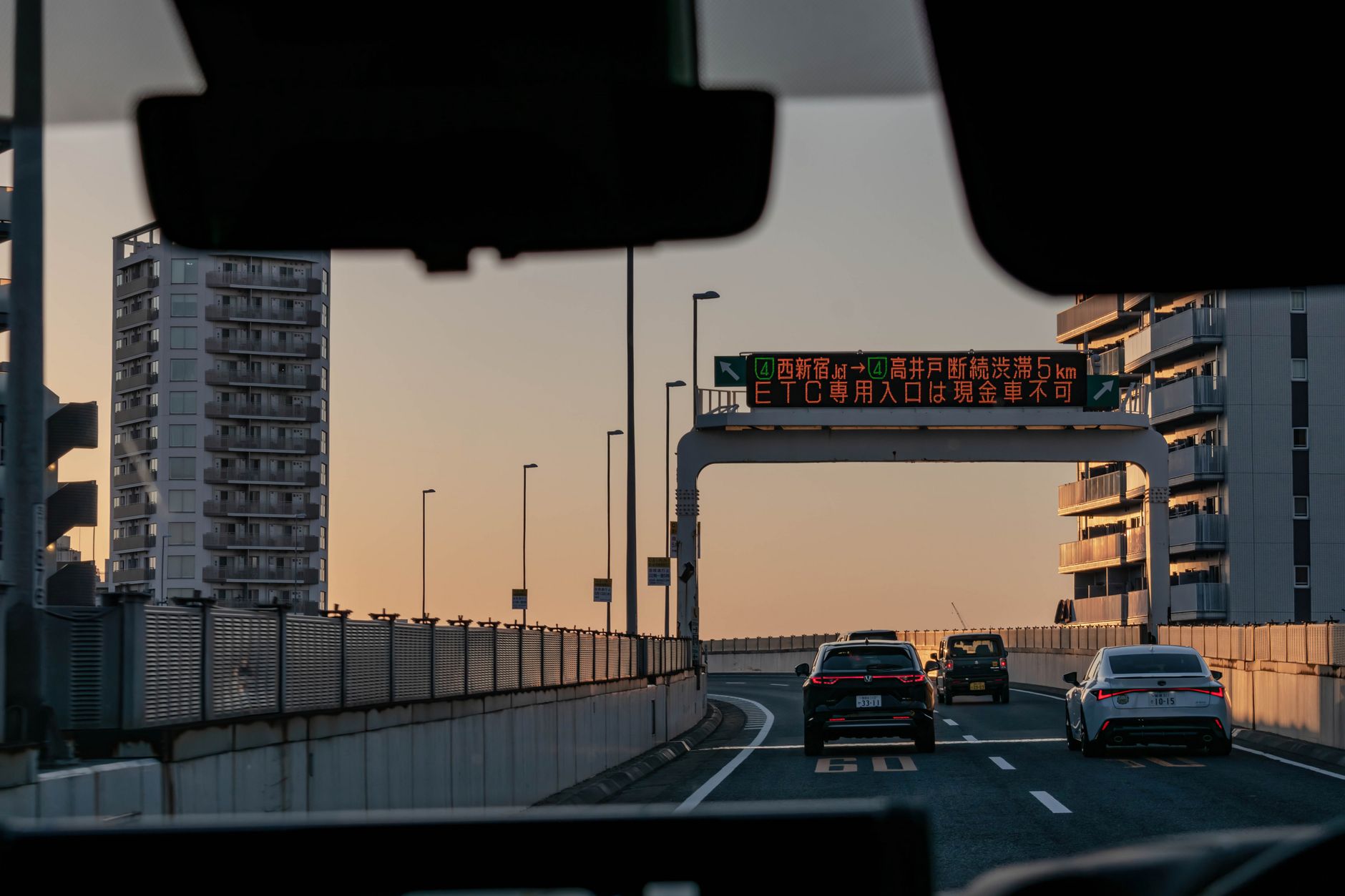
Booking Airport Transport in Advance
If you'd rather not navigate ticket machines or hail a taxi on arrival — especially useful for an early-morning departure, a large group, or heavy luggage — pre-arranged airport transfers and limousine bus reservations are widely available. If you'd like help arranging transport, accommodation, or the rest of your Tokyo itinerary around your Haneda arrival or departure, ✉ Ask Us — GMS Travel Support and we'll help you plan the right option for your trip.
Conclusion
Deciding between Narita and Haneda airports for your trip to Tokyo ultimately depends on your travel needs and preferences. If you value proximity and convenience, Haneda is the clear winner. However, if you find a better flight option at Narita, be prepared for the additional travel time. By considering the factors outlined in this guide, you can make an informed decision that will enhance your travel experience to Tokyo. For more information, consider checking travel blogs or forums like TripAdvisor for personal experiences and insights.


