

Kyoto has no single right ryokan, and the choice usually turns on one question travellers get wrong: do you want a private bath, or do you want an onsen? They are not the same thing. Several of Kyoto's most established inns give you a bathtub for your room's exclusive use, but the water is not from a hot spring. The city does have natural hot springs — Kurama, in the northern mountains, is inside Kyoto City — though the bathing there is communal rather than in your room. Widen the search to Kyoto Prefecture and Kameoka adds rooms where the bath itself is hot-spring water. This guide compares five ryokan across those three situations, using only what each property states on its own website.
How to Choose a Ryokan in Kyoto
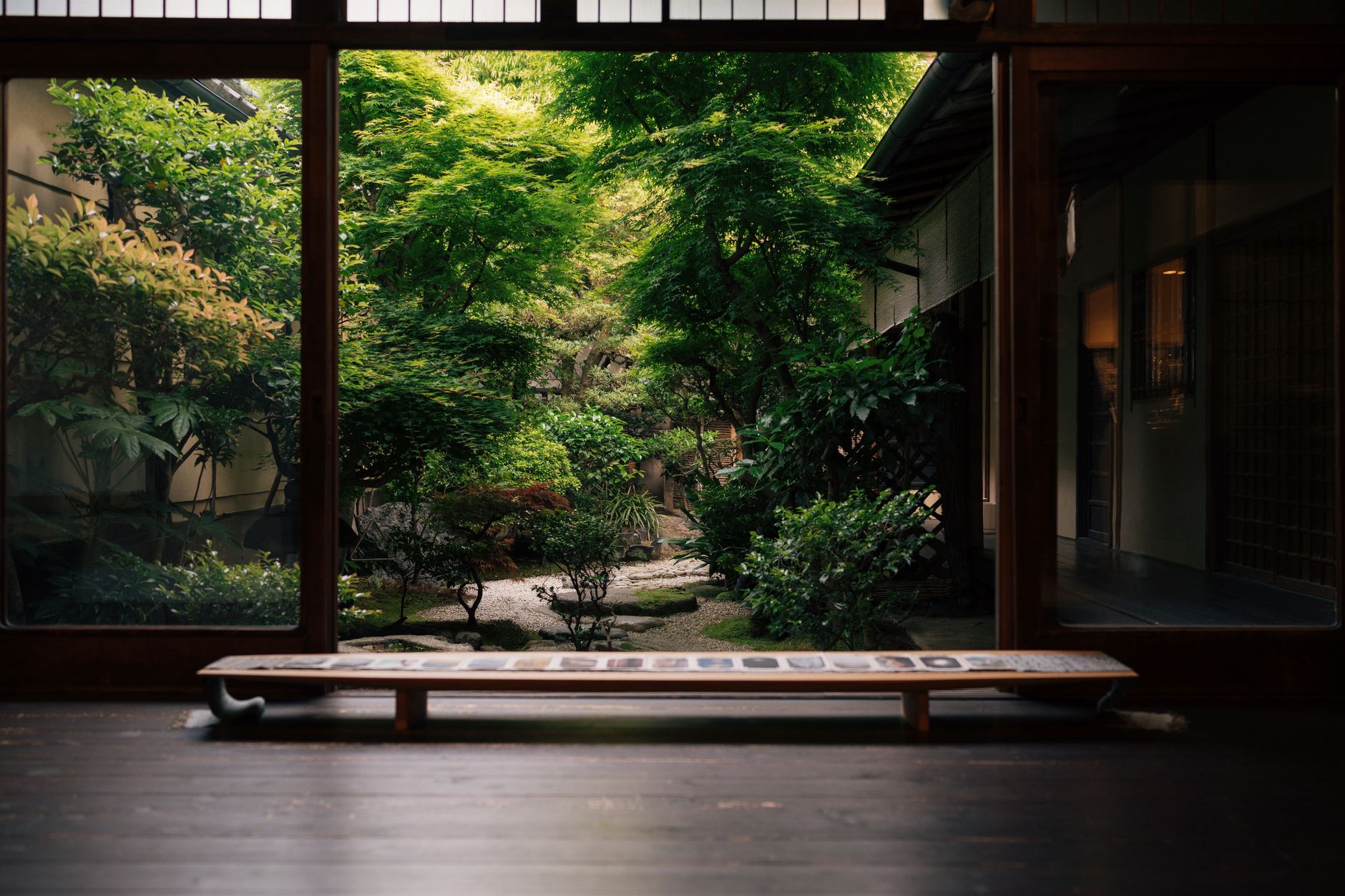
Private bath vs. private onsen. A private bath is a tub reserved for your room. A private onsen is the same tub filled with natural hot-spring water. Booking sites blur the two, and the difference decides where you can realistically stay: a room bath is common in central Kyoto ryokan, a room bath fed by a hot spring is not.
Public onsen vs. reservable private bath. A public bath is shared, usually split by gender, and is where most genuine onsen bathing in the Kyoto area happens. A reservable private bath sits between the two: hot-spring bathing you book for a set time, alone or with your party. If you have tattoos, are travelling with small children, or would rather not bathe communally, look for that option by name.
Kyoto City vs. surrounding areas. Staying in the city keeps temples and restaurants within walking or short bus distance. Moving out to a hot-spring district in the wider prefecture buys you the room bath, at the cost of an hour or so each way.
Traditional architecture vs. modern luxury. Some ryokan are the building as much as the service — timber, tatami, a garden that predates the guest. Others are contemporary properties built to ryokan conventions. Both suit different trips.
Location and transport. Check the last train, whether a shuttle exists, and whether arrival depends on something that can be cancelled. Two of the five below are not a taxi ride from your dinner reservation.
Budget and room type. Rates move with the season, the room and the meal plan, so confirm on the official site when you book.
5 Ryokan to Consider in Kyoto
1. Hiiragiya — Nakagyo-ku, central Kyoto
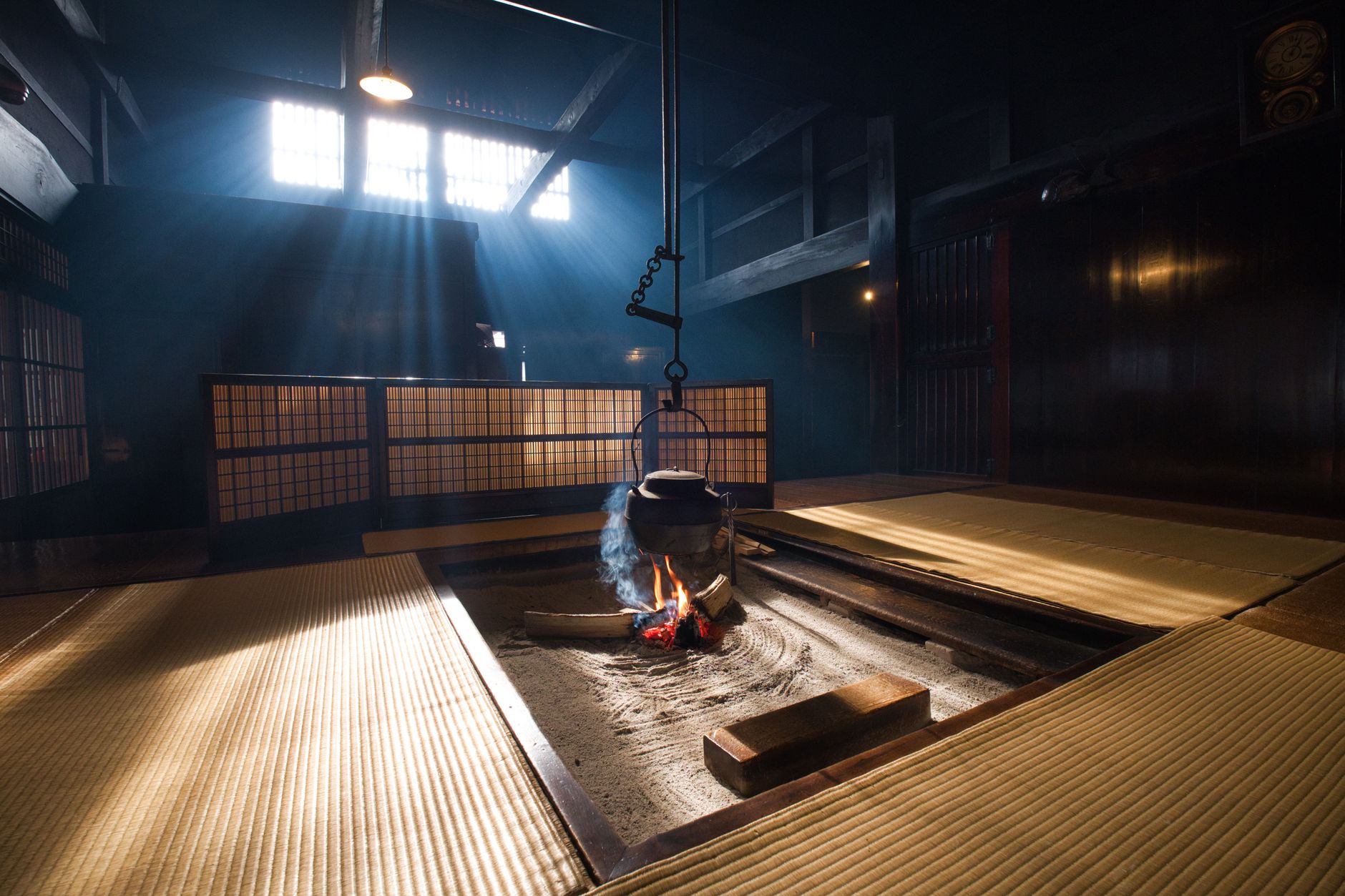
Hiiragiya is a traditional ryokan in central Kyoto, founded in 1818, with 19 guest rooms across a main building and a newer building. Its position matters: from Nakagyo-ku you can reach much of the city centre on foot or with one short ride, which is the practical argument for staying in the middle of Kyoto rather than at a hot spring outside it.
Guest rooms can feature private ofuro baths made from umbrella pine wood, using water drawn from the ryokan's underground aquifer. That is a bath for your exclusive use — not a natural hot spring, and the ryokan does not present it as one. It illustrates the distinction this guide opens with: an inn can be two centuries old and give you your own wooden tub without being an onsen.
Specifications differ between the main building and the newer building, so the room you book determines what you get.
Best for: travellers who want a long-established Kyoto ryokan within walking distance of the city centre, and who do not need hot-spring water.
Verified on the official site, 2026-09-07.
2. Yoshida Sanso — Sakyo-ku
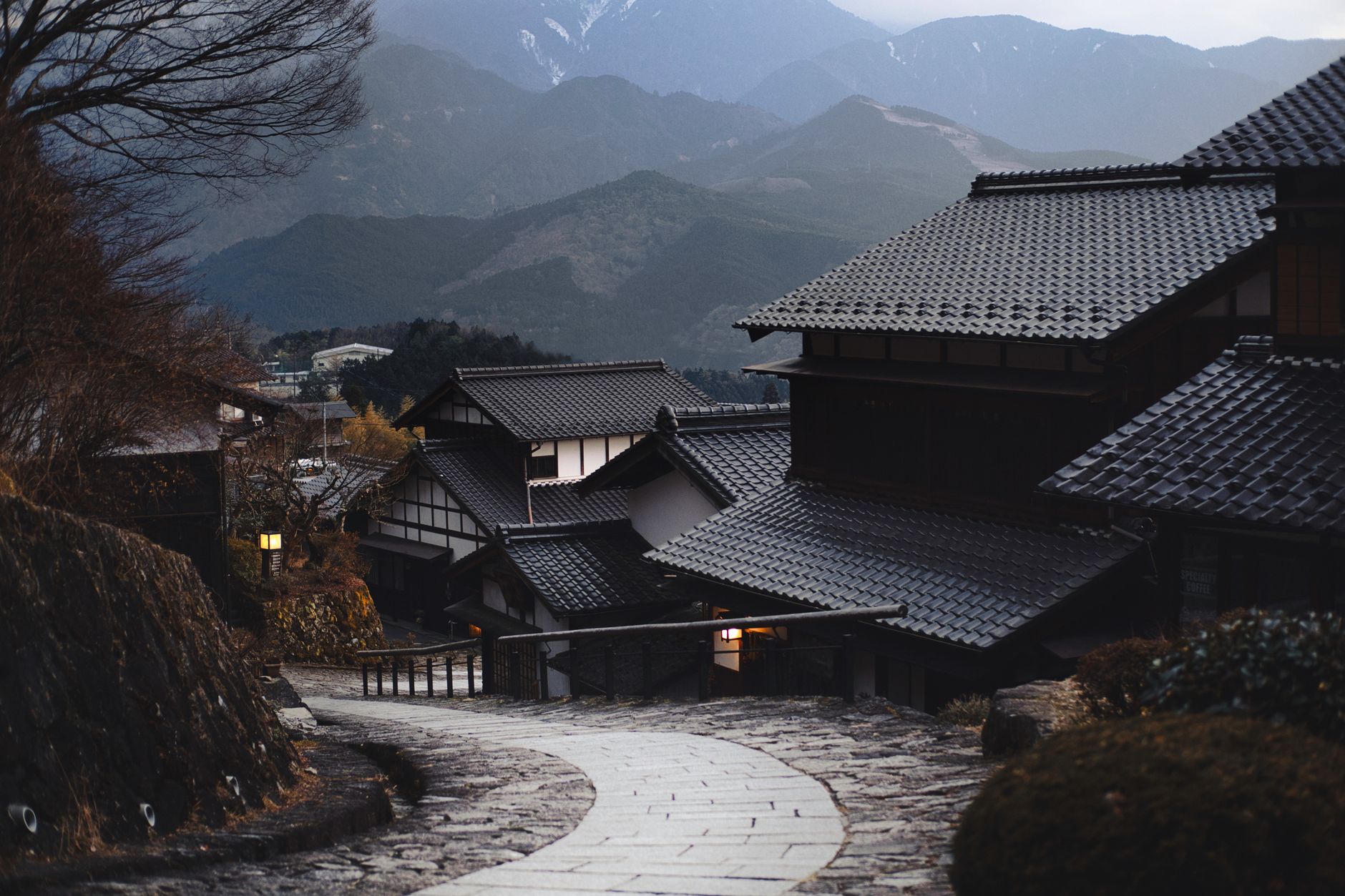
Yoshida Sanso occupies a former residence built in 1932 on the foothills of Yoshida-yama in Sakyo-ku, originally the second residence of Higashi-Fushimi-no-Miya. It is a small operation — the main house holds three rooms, one on the ground floor and two above — which is the point rather than a limitation: this is a stay in a specific house, not a hotel with a ryokan theme.
Selected rooms have private bathrooms; the larger of them are laid out as a suite, with a bedroom, a living room and a terrace. An onsen is not confirmed by the official site, so plan on a private bathroom rather than hot-spring bathing.
With so few rooms, dates drive this decision more than anywhere else on the list: if the room you want is unavailable, the alternative is a different date.
Best for: travellers who are choosing a building and a setting first, and who are comfortable with a private bathroom instead of an onsen.
Verified on the official site, 2026-09-07.
3. Kurama Onsen — Sakyo-ku
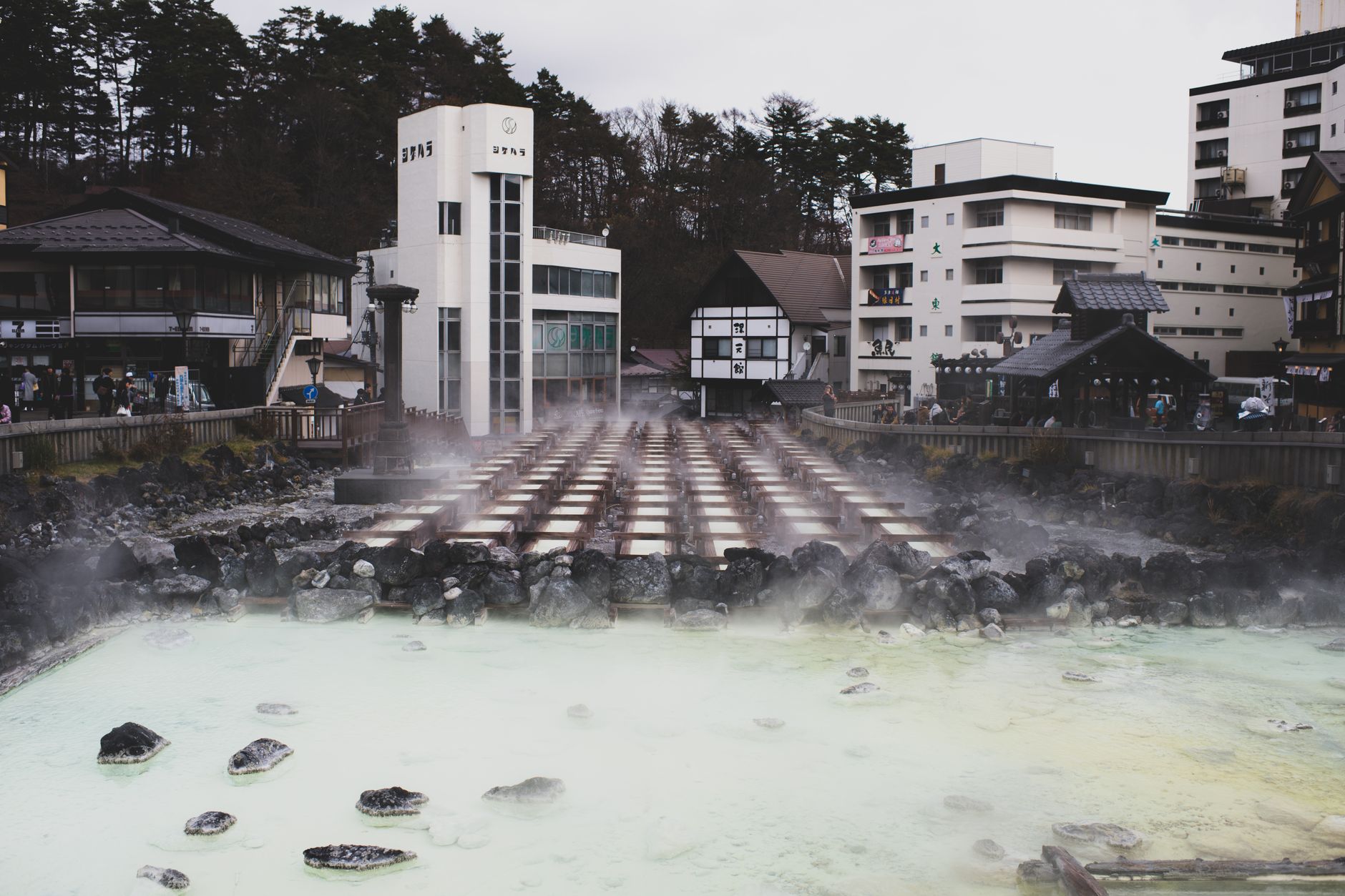
Kurama Onsen is a natural hot spring inside Kyoto City, in Kurama at the northern end of Sakyo-ku — not outside the city, as it is often described. It is roughly a 10-minute walk from Kurama Station on the Eizan Railway, and the property runs a shuttle.
Treat this as a public bathing experience rather than a room-bath one. The official site describes an open-air bath looking onto the mountains and an indoor bath with a cold-water bath alongside it; it does not describe baths in the guest rooms, so do not book expecting one. Bathing is open to day visitors from 10:00 to 21:00, and overnight stays are available, with check-in from 16:00 and check-out by 10:00.
The trade-off is straightforward: hot-spring water without leaving Kyoto City, in exchange for the room bath and for walking distance to central sights.
Best for: travellers whose priority is bathing in a natural hot spring without leaving Kyoto City.
Verified on the official site, 2026-09-07.
4. Sumiya Kiho-an — Kameoka City, Kyoto Prefecture
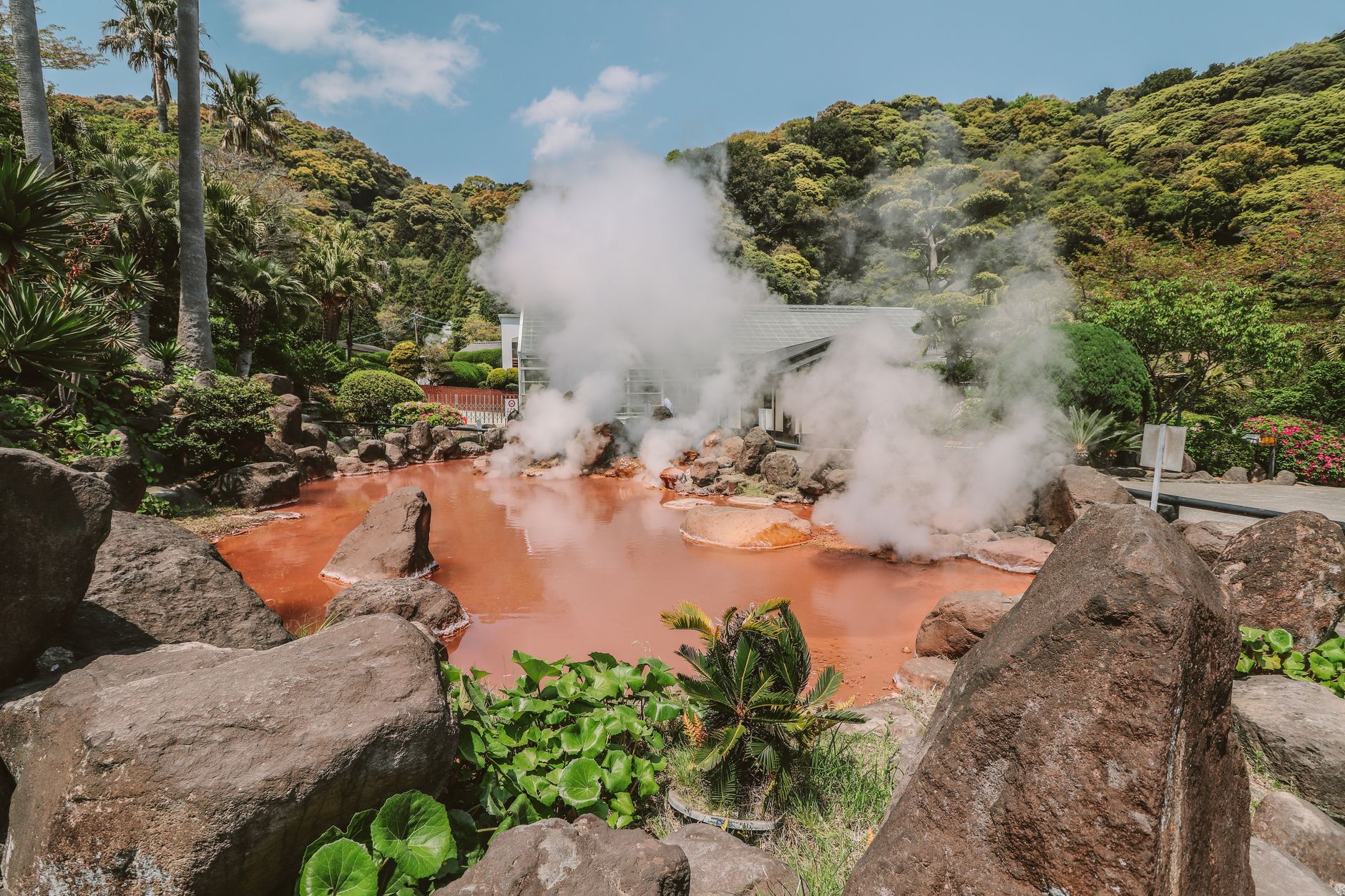
Sumiya Kiho-an is in Yunohana Onsen in Kameoka City — in Kyoto Prefecture, but outside Kyoto City. It describes itself as a hot-spring ryokan, and the water is a simple weakly radioactive spring, a natural radium spring, served free-flowing.
Bathing is offered three ways, and the distinction is worth reading carefully. There are separate men's and women's public baths, each with an indoor bath and an open-air bath. There is a reservable private open-air bath, "Yama no Kakureyu", at ¥3,000 for 45 minutes, by reservation, between 11:30 and 21:00. And selected room types have their own hot-spring bath.
That last point is where most write-ups go wrong. Room types differ: several are described as free-flowing open-air baths, one as a free-flowing jacuzzi, the Yama-no-iori rooms as having an indoor hot-spring bath, and the Akatoki room as having a shower only. Not every room has a private hot-spring bath, and the ones that do are not equivalent — so book the room type by name.
Best for: travellers who specifically want hot-spring water in their own room, and will travel outside Kyoto City for it.
Verified on the official site, 2026-09-07.
5. HOSHINOYA Kyoto — Nishikyo-ku, Arashiyama
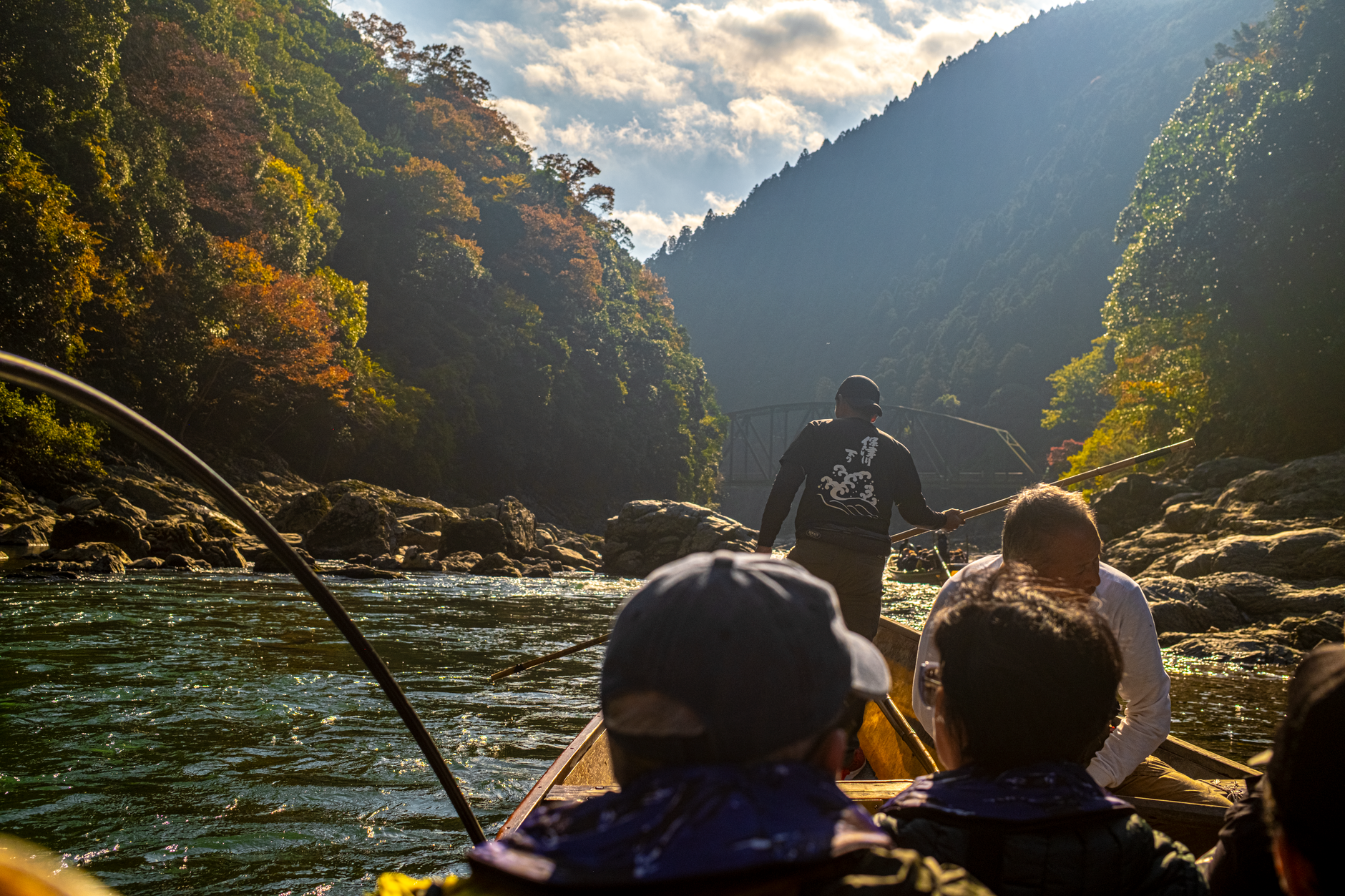
HOSHINOYA Kyoto opened in 2009 in the Ran-kyo gorge, at Arashiyama in Nishikyo-ku. All 25 guest rooms have views of the Oi River and Mount Ogura, which is unusual enough to be the reason to come: the setting is the product.
Getting there is part of it. Guests arrive by the property's private boat, arranged in advance, from a boat lounge roughly 15 minutes' walk from JR Saga-Arashiyama Station. Boat service can be cancelled in bad weather or high water, so build slack into your arrival and departure days rather than booking a tight dinner elsewhere on either.
The official site does not set out the property's bathing arrangements in detail, so if a particular kind of bath matters to you, confirm it with the property directly rather than relying on third-party listings.
Best for: travellers who want a riverside setting and a contemporary take on the ryokan, and for whom the journey in is part of the appeal.
Verified on the official site, 2026-09-07.
Quick Comparison
| Ryokan | Area | Bathing Experience | Best For |
|---|---|---|---|
| Hiiragiya | Nakagyo-ku, central Kyoto | Private ofuro in the room; not an onsen | Walkable central Kyoto |
| Yoshida Sanso | Sakyo-ku | Private bathrooms in selected rooms; onsen not confirmed | A 1932 house, quiet setting |
| Kurama Onsen | Sakyo-ku, Kurama | Natural hot spring; public indoor and open-air baths | Onsen bathing inside Kyoto City |
| Sumiya Kiho-an | Kameoka City, Kyoto Prefecture | Hot-spring baths in selected room types, plus a reservable private open-air bath | Hot-spring water in your own room |
| HOSHINOYA Kyoto | Arashiyama, Nishikyo-ku | Bathing details not stated on the official site | River views, arrival by boat |
Which Ryokan Is Right for You?
Start from the constraint that cannot be negotiated, then let the rest follow.
If your days are built around temples, restaurants and walking, stay in the city and accept a private bath rather than hot-spring water: Hiiragiya in Nakagyo-ku is the straightforward version of that trade.
If the building and the setting are the reason for the trip, and three rooms is a feature rather than a risk, Yoshida Sanso in Sakyo-ku is the one to check dates for first.
If you want to bathe in a natural hot spring without leaving Kyoto City, Kurama Onsen satisfies both, provided you are content with public baths.
If hot-spring water in your own room is the requirement, plan to leave the city. Sumiya Kiho-an in Kameoka has room types with their own hot-spring baths, plus a reservable private open-air bath if the room you want is taken — but choose the room type by name, because they are not the same.
And if the setting is the point, HOSHINOYA Kyoto in the Ran-kyo gorge gives all 25 rooms a river view and an arrival by boat.
Conclusion
The useful thing to take away is a habit rather than a shortlist: when you search for a ryokan in Kyoto, treat "private bath" and "onsen" as two separate conditions and confirm each on the property's own site. A private bath is a tub for your room; a private onsen is that tub filled with hot-spring water; a public onsen is shared bathing in hot-spring water; a reservable private bath is hot-spring bathing you book by the slot. Kyoto City readily offers the first and the third. For the second, expect to travel into the wider prefecture. Deciding which of the four you actually want, before you compare prices, is what keeps you from booking the wrong room.
Sources
Every facility detail above was checked against the property's own website on 2026-09-07. Where a property does not state something, this guide says so rather than filling the gap from elsewhere.
- Hiiragiya, official website: https://www.hiiragiya.co.jp/en/ — founding year, number of rooms, guest-room baths
- Yoshida Sanso, official website: http://www.yoshida-sanso.com/ — the building's history, rooms, private bathrooms
- Kurama Onsen, official website: https://kurama-spa.com/ — baths, day-use hours, accommodation, access
- Sumiya Kiho-an, official website: https://www.sumiya.ne.jp/ — spring type, public baths, reservable private bath, room types and their baths
- HOSHINOYA Kyoto, official website: https://hoshinoresorts.com/en/hotels/hoshinoyakyoto/ — opening year, location, rooms and views, arrival by private boat


