

Where should a first-time visitor stay in Kyoto? For most people it comes down to Kyoto Station or Downtown Kyoto, but the best choice shifts with how you travel. Kyoto is compact but spread out: the sights that bring most people here — Kiyomizu-dera, Fushimi Inari, Arashiyama, the Gion streets — sit in different parts of the city, linked by buses that fill up and a small subway network. Where you base yourself decides how much of each day you spend in transit and how the city feels in the evening. This guide compares the areas a first-time visitor actually chooses between — Kyoto Station, Downtown (Shijo–Kawaramachi), Gion and Higashiyama, Central Kyoto near the Imperial Palace, and Arashiyama — on access, atmosphere, price, and who each one suits.
The short answer: for a first trip, Kyoto Station or Downtown Kyoto (Shijo–Kawaramachi) are the easiest bases — both have the widest choice of rooms, the best transport, and plenty of places to eat late. Choose Gion or Higashiyama instead if a traditional setting matters more than convenience, and Arashiyama if you want quiet scenery and don't mind being 20–30 minutes out.
For the two decisions that often come with this one — whether to book a traditional inn, and whether to choose a machiya rental over a hotel — see Where to Stay in Kyoto: 5 Ryokan for a Relaxing Retreat and Machiya vs Hotel in Kyoto.
How to Choose Your Area
A few things matter more than the rest on a first visit:
- Transport. Kyoto's buses are the workhorse for temples but slow and crowded; the Karasuma and Tozai subway lines are faster where they reach. A base on the subway, or at Kyoto Station itself, cuts daily friction.
- Evenings. Some areas empty out and their restaurants close early; others stay lively. If you want dinner and a walk after dark without planning it, that points downtown.
- Proximity to the sights you care about. Nothing in the city centre is far, but 15 minutes saved each way adds up over three or four days.
- Atmosphere. Kyoto Station is modern and businesslike; Gion and Higashiyama are the postcard Kyoto; the area around the Imperial Palace is residential and calm.
- Price and availability. Kyoto Station has the most rooms and, per the Kyoto City official travel guide, the easiest availability even in the busy seasons; Gion carries a premium.
Kyoto Station
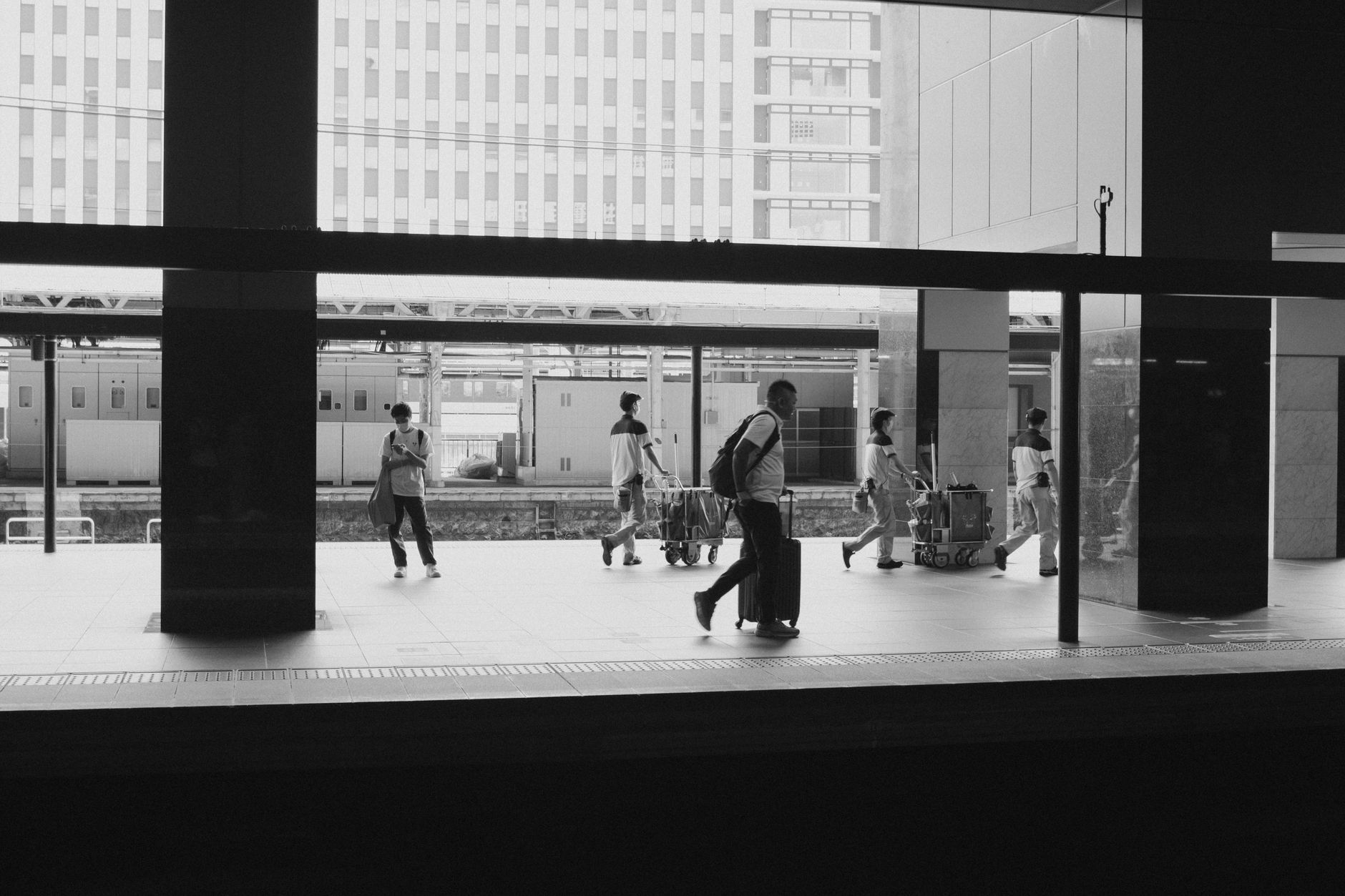
Access: the best in the city. Kyoto Station is where the Shinkansen, the Haruka Express from Kansai Airport, most JR lines, the Karasuma subway and the main bus terminal all meet, so day trips to Nara, Osaka, Fushimi Inari, Tofuku-ji and Arashiyama are direct (JNTO). Atmosphere: modern and urban — a large station complex with department stores and food floors, not old Kyoto. Near: To-ji, Higashi Hongan-ji and Nishi Hongan-ji temples, the Kyoto Railway Museum and Aquarium; the historic centre is 10–15 minutes away by subway or bus. Price: a wide band of large hotels and business hotels, and — per the Kyoto City official travel guide — the area where a room is easiest to find even in cherry-blossom and autumn weeks. Best for: first-timers, short trips, anyone doing day trips, and travellers who want to drop bags and move. Drawback: you have to travel a few minutes to reach the atmosphere most people came for; the immediate surroundings are functional.
Downtown Kyoto: Shijo–Kawaramachi and Shijo–Karasuma
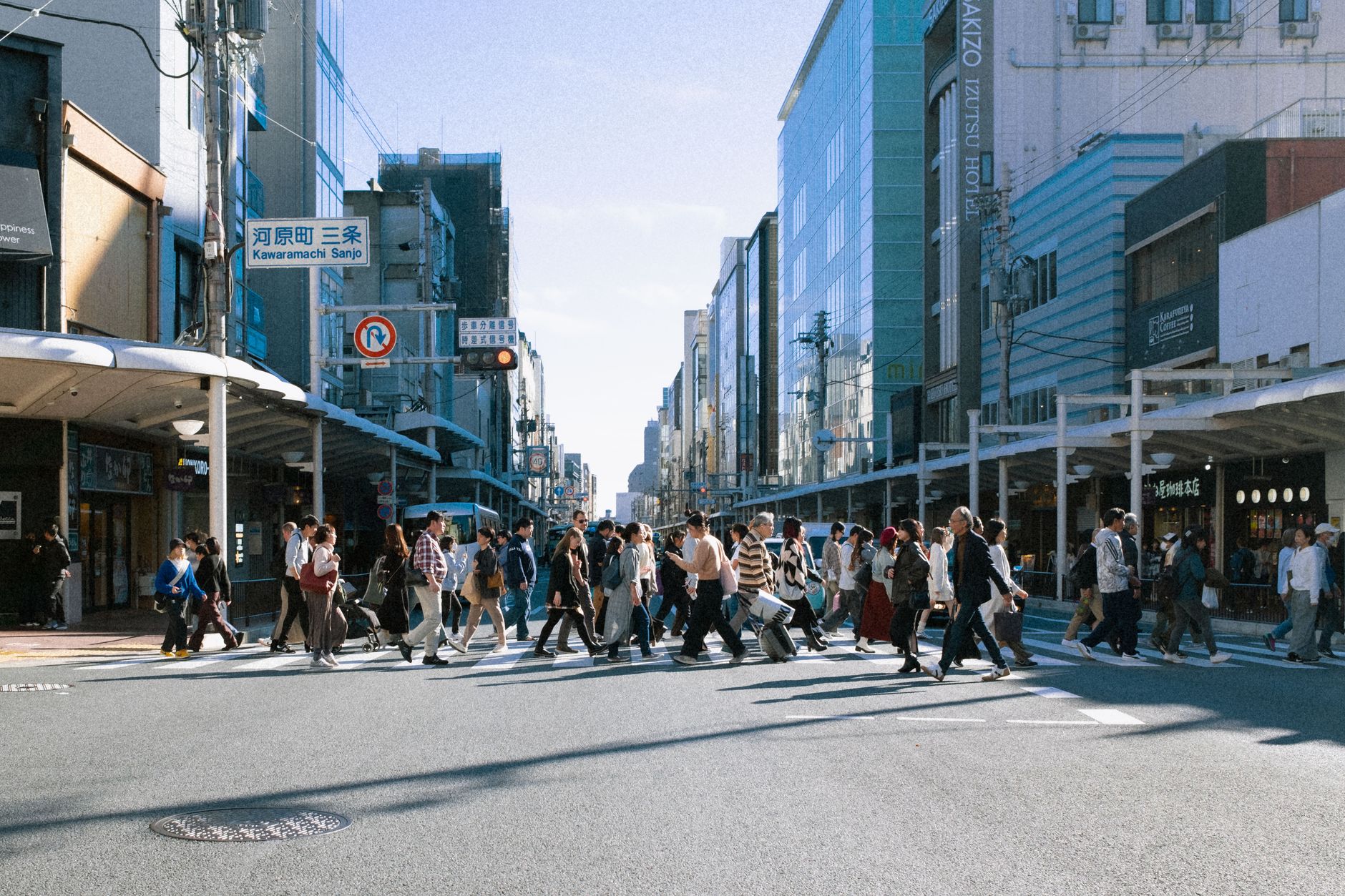
Access: on the Karasuma subway line, a few minutes from Kyoto Station, and walkable to Gion across the Kamo River. Atmosphere: the city's commercial heart — Shijo–Karasuma is the business district, Shijo–Kawaramachi the shopping-and-dining one, with covered arcades, Nishiki Market, and the riverside. Near: Nishiki Market, Pontocho, the Kamo River, Nijo Castle (a short subway hop), and Gion on foot. Price: the widest range of any central area — business hotels, guesthouses, ryokan and design hotels. Best for: first-timers who want to eat and walk in the evening, shoppers, and anyone who wants a central base without Gion's prices. Drawback: it is a busy commercial district, so quieter, older-Kyoto scenery is a walk away, and main streets can be noisy at night.
Gion and Higashiyama
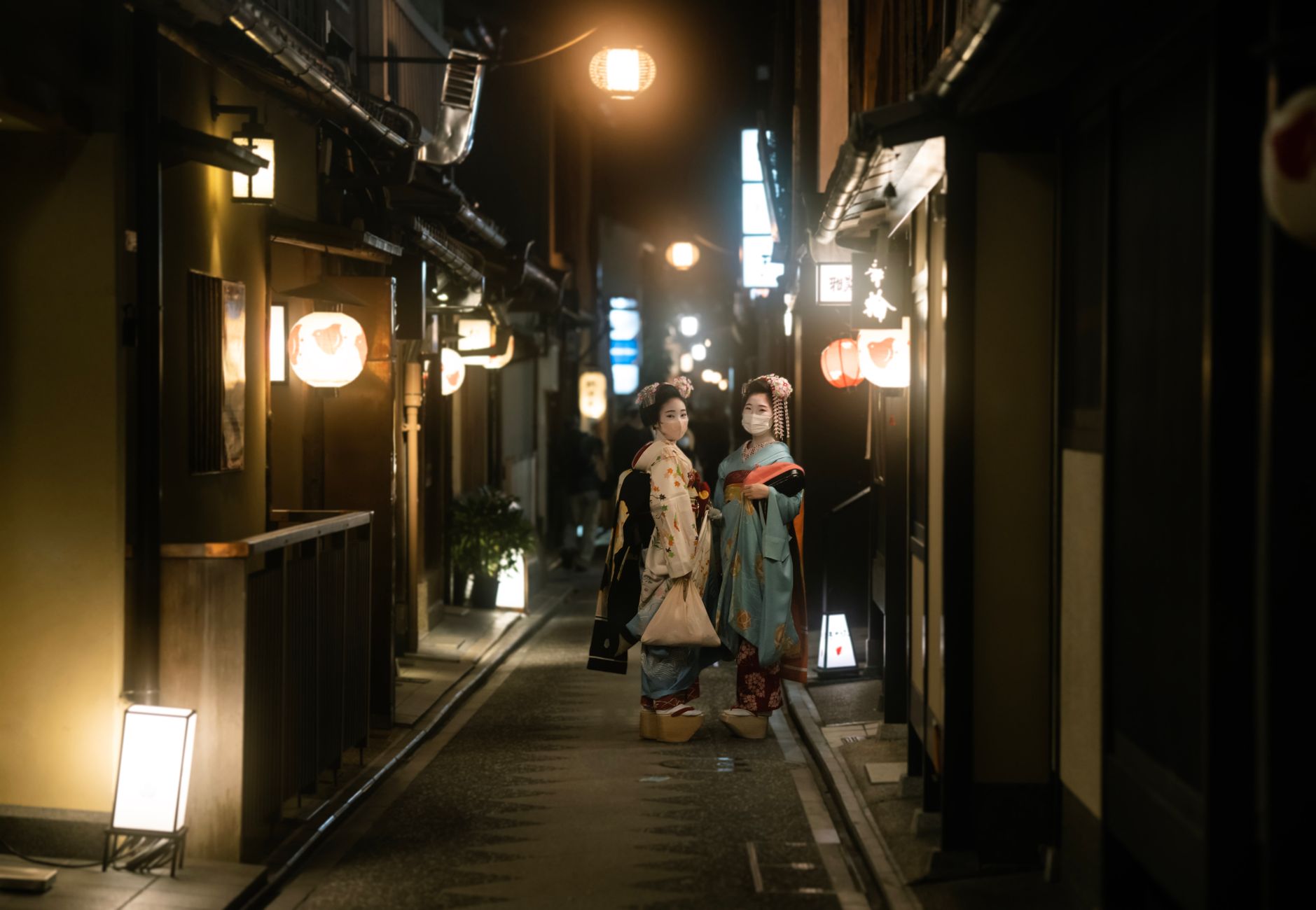
Access: walkable from downtown; served by buses and, for Higashiyama, the Tozai subway. Atmosphere: the most "Kyoto" of the central areas — lantern-lit lanes, wooden machiya, tea houses, temples on the hillside. Near: Kiyomizu-dera, Yasaka-jinja, Kodai-ji, Maruyama Park, the Higashiyama temple walk and the Philosopher's Path. Price: the highest of the central options, with long-established ryokan and luxury hotels alongside smaller guesthouses. Best for: travellers for whom a traditional setting is the priority, special-occasion trips, and early risers who want to be at Kiyomizu-dera before the crowds. Drawback: premium pricing, fewer everyday conveniences, and the busiest lanes are very crowded by mid-morning.
Central Kyoto: Around the Imperial Palace and Nijo Castle
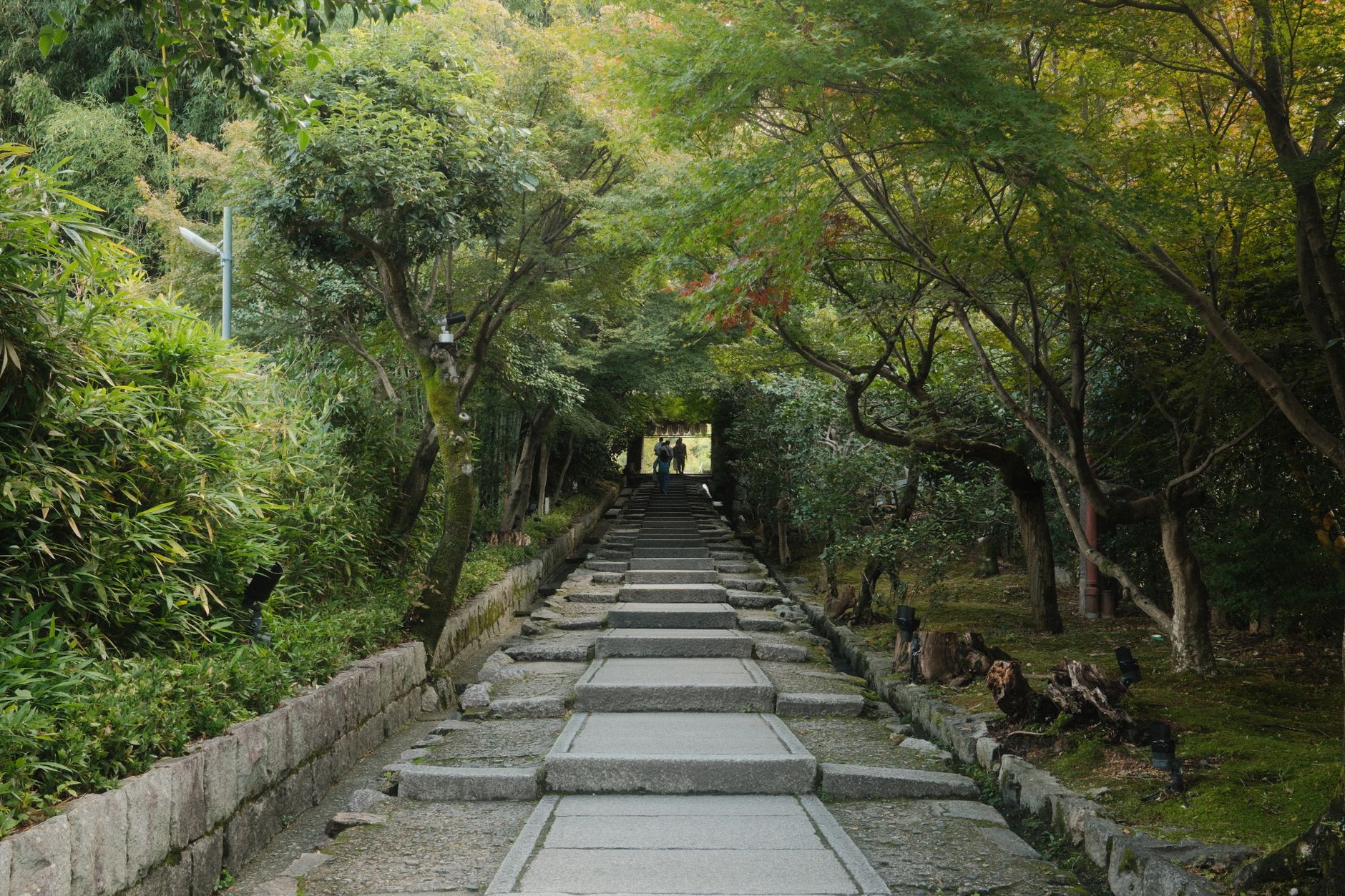
Access: on the Karasuma and Tozai subway lines, with the Randen line from nearby Nijo toward Arashiyama. Atmosphere: relatively quiet and residential, a mix of everyday Kyoto life and sightseeing — calmer than downtown or Gion. Near: the Kyoto Imperial Palace and its park, Nijo Castle, Kitano-Tenmangu, and the Nishijin weaving district. Price: generally more moderate than Gion, with hotels and guesthouses that reflect the local mood. Best for: travellers who want a peaceful base and a "like a local" week, and light sleepers. Drawback: less nightlife and dining on the doorstep; you commute to the eastern sights.
Arashiyama
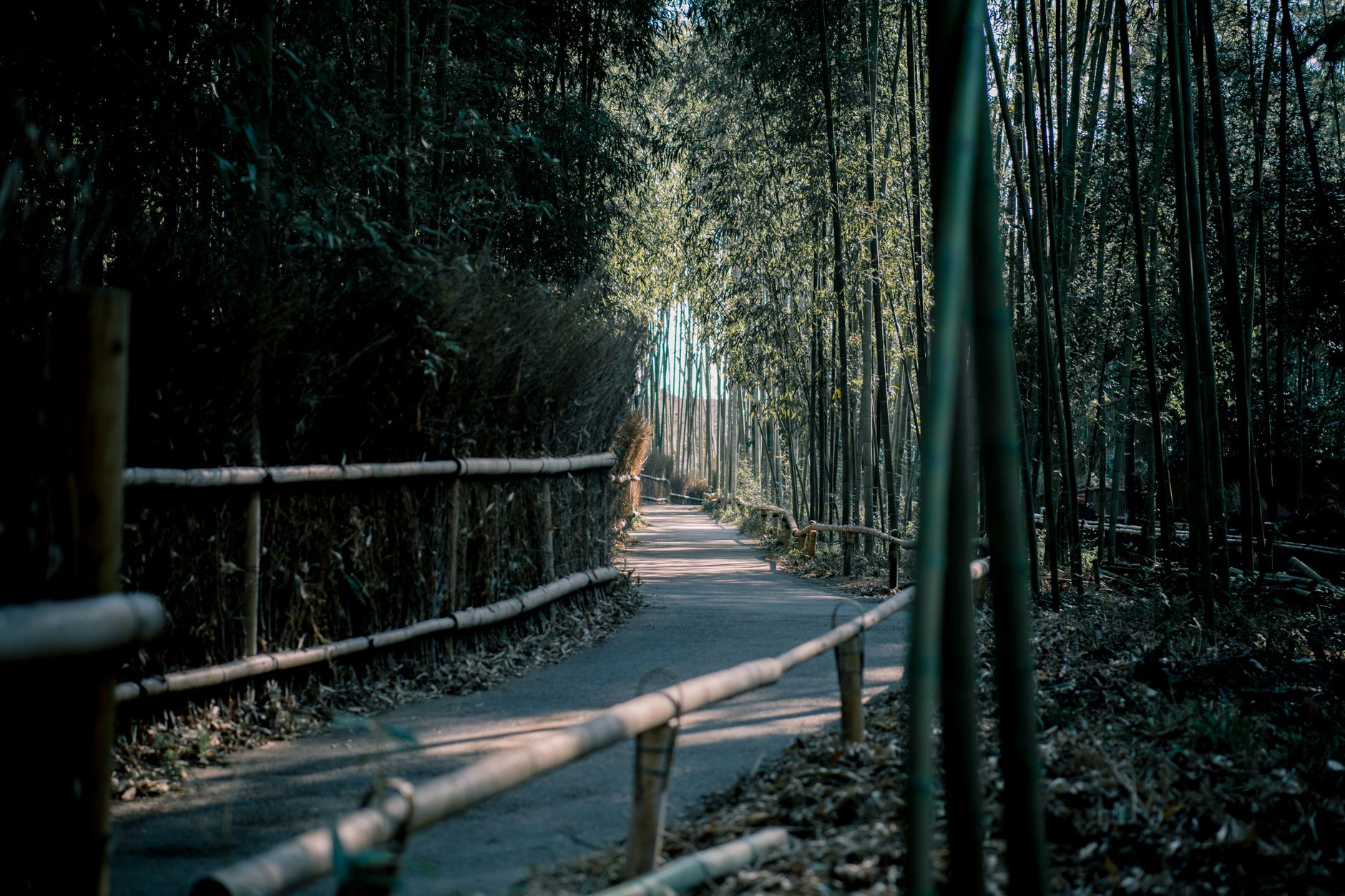
Access: the JR Sagano line and the Randen tram connect it to the centre in roughly 20–30 minutes. Atmosphere: scenic and much quieter than the city — river, bamboo grove, temple hills. Near: the bamboo grove, Togetsukyo Bridge, Tenryu-ji (a UNESCO site), and the Iwatayama monkey park. Price: high-quality hotels and long-standing hot-spring ryokan; fewer budget rooms. Best for: a nature-first trip, honeymooners, and anyone happy to trade central convenience for calm and early-morning access to the grove. Drawback: it is outside the city, restaurants and cafes close early, and you commute for the eastern temples and nightlife.
A quieter, cheaper alternative
If budget or peace is the priority, the mountain areas north of the city — Ohara, Kurama and Kibune, about an hour from Kyoto Station — have minshuku and hot-spring ryokan, seasonal riverside dining, and autumn colour, at the cost of a long daily commute. They suit a second Kyoto trip more than a first.
Quick Comparison
| Area | Best for | Access | Atmosphere | Price level | Main advantage | Main drawback |
|---|---|---|---|---|---|---|
| Kyoto Station | First-timers, day trips, short stays | Excellent (all lines + buses) | Modern, urban | Wide; easiest availability | Go anywhere fast; drop bags and move | Not "old Kyoto" on the doorstep |
| Downtown (Shijo–Kawaramachi) | Eating out, shopping, central base | Subway + walk to Gion | Busy, commercial, lively | Wide | Evenings and food without planning | Noisy main streets; scenery is a walk away |
| Gion / Higashiyama | Traditional setting, special trips | Walk + bus; Tozai subway | Historic, atmospheric | Highest central | The postcard Kyoto; early temple access | Premium prices; crowded by mid-morning |
| Central (Imperial Palace / Nijo) | Quiet base, "like a local" | Karasuma + Tozai subway | Calm, residential | Moderate | Peaceful and still central | Little nightlife; commute to eastern sights |
| Arashiyama | Nature, honeymoon, calm | JR + Randen, ~20–30 min | Scenic, quiet | High; few budget rooms | Scenery and early grove access | Outside the city; early closing |
Which Area Is Best for First-Time Visitors?
There is no single answer, but there is a sensible default and a set of adjustments:
- Default first trip: Kyoto Station or Downtown (Shijo–Kawaramachi). Both give you the most rooms, the best transport, and easy evenings. Kyoto Station edges it if you have day trips planned or arrive late; Downtown edges it if you want to walk to dinner.
- Short trip (1–2 nights): Kyoto Station — minimise transit, maximise sights.
- Families: Kyoto Station or Downtown — larger hotel rooms, lifts, luggage handling, and food everyone will eat; Central Kyoto if you want calm over convenience.
- Budget-conscious: Kyoto Station business hotels and Downtown guesthouses; look one or two stops out on the Karasuma line, or consider Ohara/Kurama if you don't mind commuting.
- Nightlife and dining: Downtown (Shijo–Kawaramachi and Pontocho).
- Traditional atmosphere above all: Gion or Higashiyama, accepting the price and the crowds.
- Lots of temple-hopping: anywhere on the subway, or Kyoto Station itself.
- Peace and quiet: Central Kyoto near the Imperial Palace, or Arashiyama if you will accept the commute.
Whichever area you pick, book early for cherry-blossom season (roughly late March to mid-April), the autumn leaves (November) and the Gion Matsuri in July, when rooms across the city sell out.
FAQ
What is the best area to stay in Kyoto for first-time visitors? Kyoto Station or Downtown Kyoto (Shijo–Kawaramachi). Both have the widest choice of accommodation, the best transport links, and plenty of dining. Kyoto Station is the more convenient base for day trips and late arrivals; Downtown is better if you want to walk to restaurants in the evening.
Is Kyoto Station a good area to stay? Yes, especially on a first or short trip. It is the city's transport hub, so almost everywhere is a direct ride, it has the most rooms and the easiest availability in peak weeks, and the historic centre is only 10–15 minutes away. The trade-off is that the immediate area is modern and functional rather than traditional.
Is Gion a good area for first-time visitors? It is the most atmospheric central area and puts you within walking distance of Kiyomizu-dera and the Higashiyama temples, which helps for beating the crowds. But it is the most expensive central option, has fewer everyday conveniences, and its main lanes are very busy from mid-morning.
Is Kawaramachi better than Kyoto Station? It depends on your priorities. Shijo–Kawaramachi is more central for evening dining and shopping and is walkable to Gion; Kyoto Station is better for transport, day trips, and availability. Many first-time visitors are happy with either.
How many nights should I spend in Kyoto? Most first visits work well at three to four nights — enough for the main eastern and western sights plus a day trip to Nara or Fushimi Inari without rushing. Two nights covers the highlights only; a week suits a slower, neighbourhood-based trip.
Which Kyoto area is best for families? Kyoto Station or Downtown, for larger hotel rooms, lifts, luggage services, and easy food. Central Kyoto near the Imperial Palace is a good choice if you would rather have a quiet base and don't mind a short commute to the busier sights.
Conclusion
For a first visit, base yourself where the transport and the evenings are easiest — Kyoto Station if you have day trips or arrive late, Downtown Shijo–Kawaramachi if you want to walk to dinner. Trade some of that convenience for Gion or Higashiyama only if a traditional setting is the point of the trip, and for Arashiyama only if you want quiet scenery more than a central address. If you want a single line to book from: a first-time visitor with no strong preference should choose Kyoto Station or Downtown Kyoto; a sightseeing-heavy trip leans Downtown, or Gion / Higashiyama for the eastern temples; a traditional atmosphere means Gion or Higashiyama; a quiet, scenic stay means Arashiyama. Match the area to how you actually plan to spend your days, book early for the busy seasons, and the rest of the trip gets easier.
Sources
- Kyoto City Official Travel Guide — Choosing accommodation: Key features of each area — the city's own area-by-area summary of transport, atmosphere and what each Kyoto neighbourhood suits.
- Japan National Tourism Organization — Around Kyoto Station & Southern Kyoto — the Kyoto Station area's character, transport connections and nearby attractions.


