

Introduction
If you're planning a short trip to Japan, you may be wondering whether the JR Pass is the right choice for your travel needs. This guide addresses the question of how to find the best transportation options for short stays in Japan, beyond just the JR Pass. By the end of this article, you will have a clearer understanding of alternatives that may better suit your travel itinerary and budget.
The Japan Rail Pass underwent a major price increase in October 2023. The 7-day pass currently costs ¥50,000, and passes purchased on or after October 1, 2026 will cost ¥53,000. Because the pass is now expensive, travelers on short itineraries should compare it with individual tickets and regional passes before buying.
Understanding Your Travel Needs
Before diving into alternatives, consider the following criteria to determine which transportation option suits you best:
- Duration of Stay: Are you staying for just a few days or a week?
- Destinations: Which cities or regions do you plan to visit?
- Travel Frequency: How often do you plan to travel between cities?
- Budget: What's your budget for transportation?
By answering these questions, you can better assess whether a JR Pass or an alternative would be more beneficial.
Alternatives to the JR Pass
Here are some viable alternatives that you can consider for short trips in Japan:
1. Individual Train Tickets
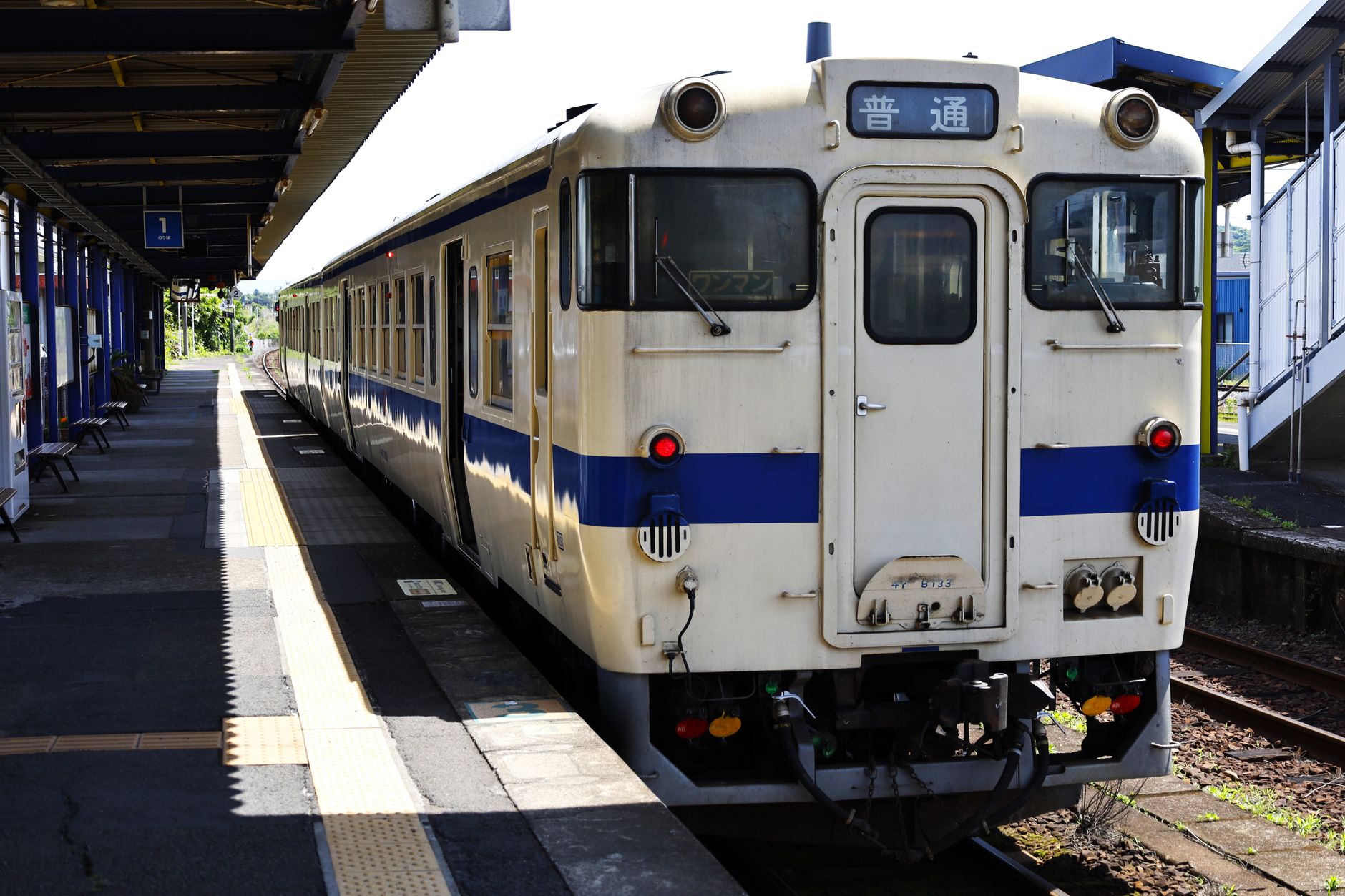
If your itinerary includes just a couple of cities, purchasing individual train tickets can be more cost-effective than a JR Pass. For example, a typical one-way shinkansen trip between Tokyo and Kyoto costs around ¥14,000, but fares vary by train type and season, so check JR Central for the exact fare before booking. Even a round trip on that route costs well under the price of a 7-day pass. If you plan to visit other cities, such as Hiroshima or Nagoya, consider the total cost of individual tickets versus the JR Pass. A round trip from Tokyo to Hiroshima can be significant in terms of cost, which may still be less than the cost of a JR Pass if you are not traveling extensively. Additionally, purchasing tickets in advance can sometimes yield discounts, so it's worth checking various options before making a decision.
2. Regional Rail Passes
If your travels are concentrated in a specific area, consider regional rail passes. Options include:
- Tokyo Wide Pass: Perfect for exploring Tokyo and nearby areas like Nikko and Mt. Fuji. This pass allows unlimited travel for three consecutive days, making it ideal for short trips. It covers various lines, making it convenient for day trips.
- Kansai Area Pass: Ideal for visiting Kyoto, Osaka, Nara, and Kobe. It is available for 1, 2, 3, or 4 consecutive days and covers JR West conventional lines in the Kansai area, plus reserved seats on the Haruka airport express. It does not cover the shinkansen or expressway buses, so it suits travelers moving between Kansai cities rather than traveling to or from Tokyo.
These passes offer unlimited travel within designated regions and often come at a lower price than the JR Pass, especially if you are focusing your travels in one area.
3. City Transportation Cards and Local Passes
For city-specific travel, you might want to consider city transportation cards. These typically cover subways, buses, and local trains:
- Tokyo Subway Ticket: Unlimited rides on all Tokyo Metro and Toei Subway lines for 24, 48, or 72 hours (¥1,000 / ¥1,500 / ¥2,000 for adults). It is sold only to visitors entering Japan with short-term stay status, and it is especially useful for tourists who plan to visit multiple attractions within the city.
- Osaka Amazing Pass: Offers unlimited rides on Osaka Metro, Osaka City Buses (some routes excluded), and several private railways within the city for 1 or 2 consecutive days, plus free entry to around 40 attractions, making it a good option for those who want to see the city's highlights while saving money.
These cards can significantly reduce transportation costs if you plan to stay within one city, and they often provide additional perks that enhance your travel experience. If you are still deciding where to base yourself, see our guide to where to stay in Tokyo for first-time visitors.
4. IC Cards: Suica, PASMO and Other Transit Cards
An IC card is a rechargeable, contactless card: you load money onto it, then tap it on the reader at a ticket gate or on a bus, and the fare is deducted automatically. In the Tokyo area, the two main cards are Suica (issued by JR East) and PASMO, and both work on the same trains, subways and buses.
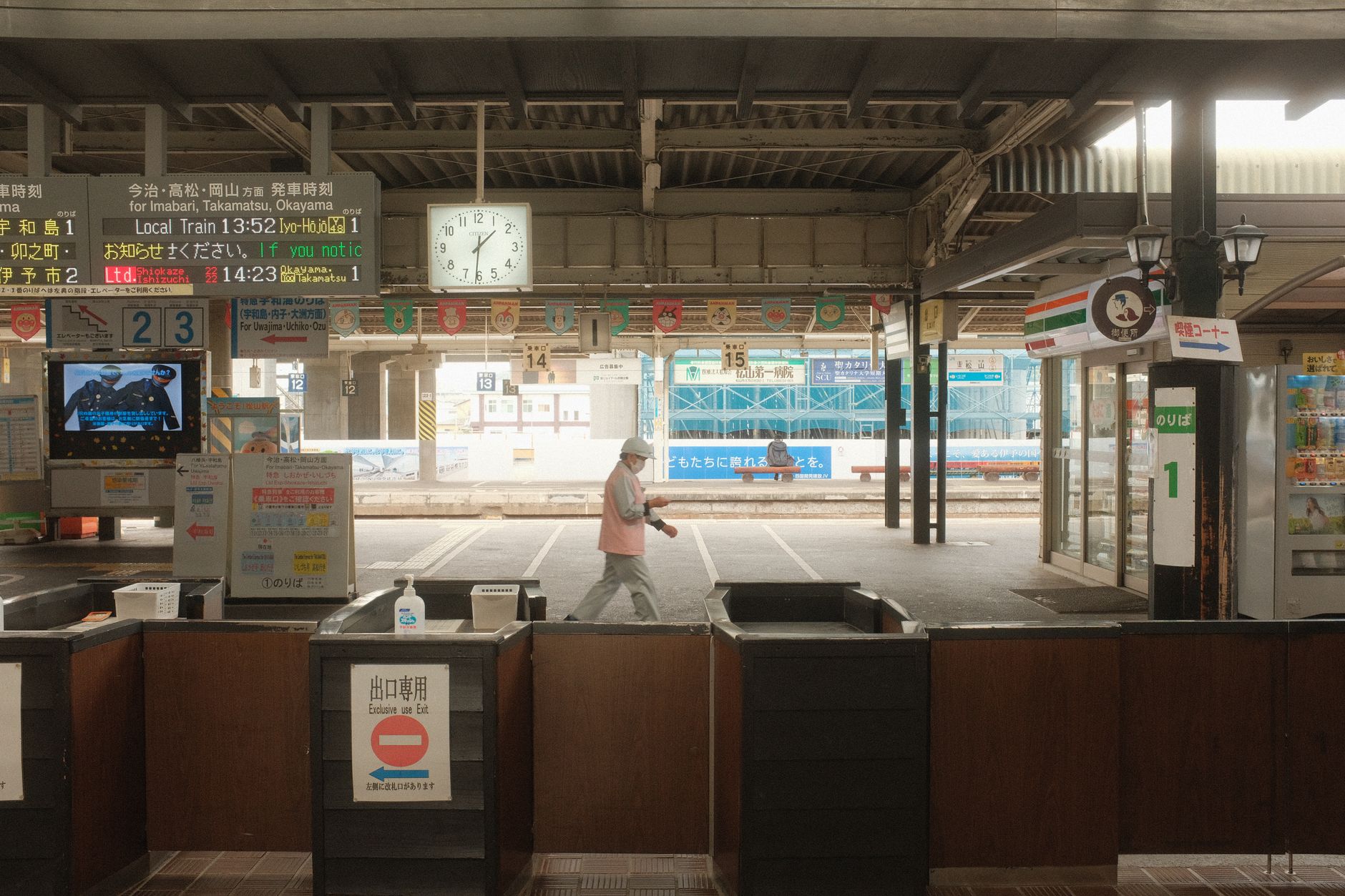
What you can typically use an IC card for:
- JR trains and most other trains and subways in supported IC card areas, including Tokyo Metro and Toei Subway
- Many local buses
- Payments at many convenience stores, vending machines and shops that display the IC card logo
Suica can also be used on some public transport in other regions, such as Kansai, Nagoya, Hokkaido, Kyushu and Okinawa. However, a single journey cannot cross from one IC card area into another: you need to leave the ticket gate and pay separately for the next section.
Options for international visitors include:
- Welcome Suica: sold by JR East to short-term visitors. It needs no deposit and is valid for 28 days.
- TOURIST PASMO: a PASMO card for international visitors, valid for 28 days and sold at Haneda and Narita airports.
- Regular PASMO: available at stations, with a ¥500 deposit that is refunded when you return the card.
You top up these cards with cash at station ticket machines, and some cards can also be topped up at convenience stores. The maximum balance is generally ¥20,000.
How an IC card differs from the JR Pass: an IC card is pay-as-you-go, so you only pay for the rides you take, but it gives no unlimited travel. It is not a substitute for a rail pass on long-distance journeys: for shinkansen trips you will normally still need a shinkansen ticket, whereas the JR Pass covers eligible shinkansen services (Nozomi and Mizuho trains require an additional ticket).
Who it suits: travelers who stay mainly in one city or region and make many short trips by train, subway or bus. If you also need mobile data for route planning, see our guide to the best eSIM for Japan travel.
Not Sure Which Option Fits Your Itinerary?
Whether a JR Pass, a regional pass, an IC card, or individual tickets works out best depends on your exact route and dates. GMS can help you plan transport and the rest of your Japan itinerary. GMS does not sell rail passes or tickets.
✉ Ask Us — GMS Travel Support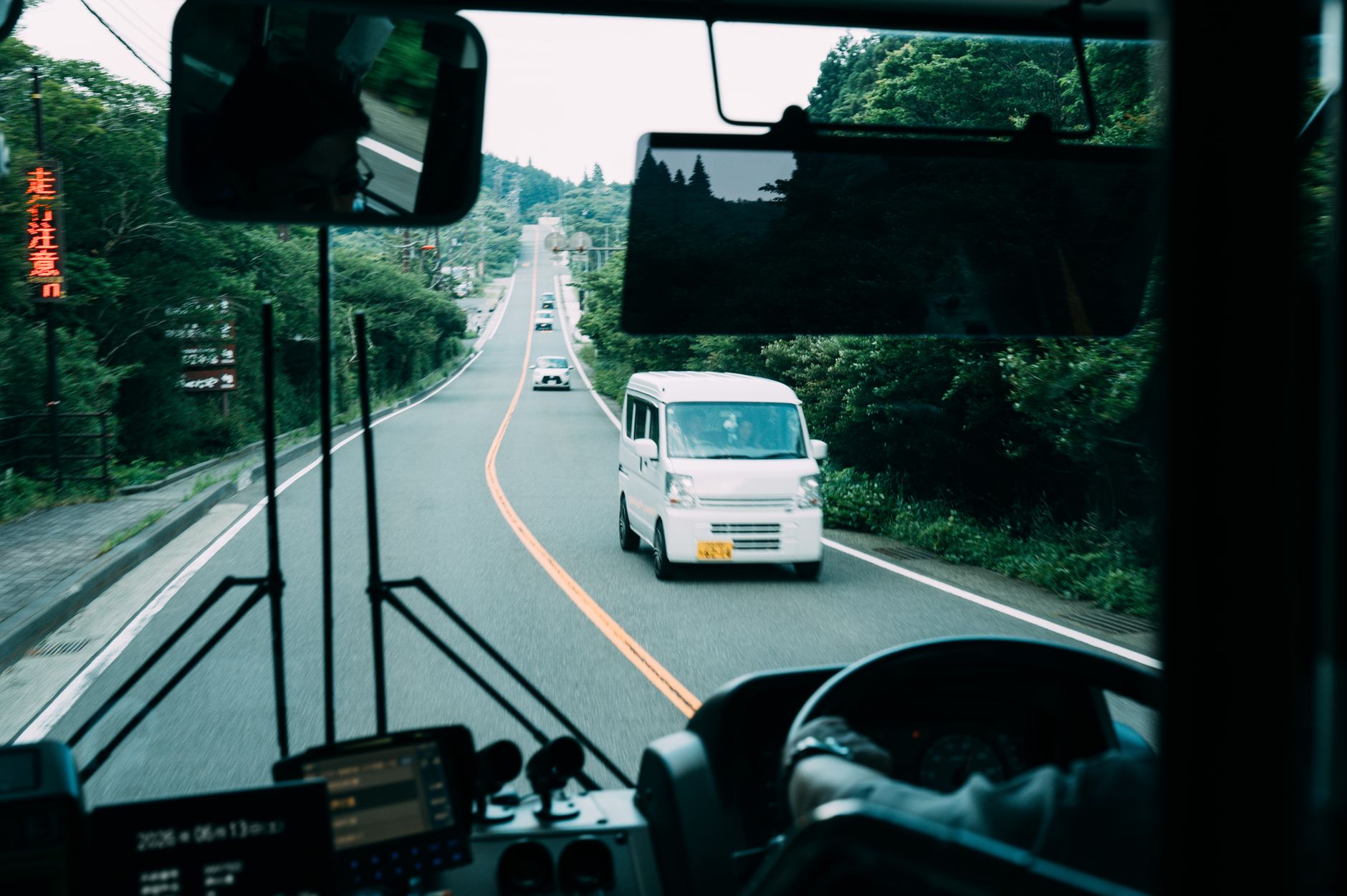
5. Highway Buses
Traveling by highway bus can be a more economical alternative, especially for longer distances. Buses often run overnight, allowing you to save on accommodation costs. Companies like Willer Express offer extensive routes across Japan, providing a comfortable and affordable way to travel. Highway bus fares vary significantly by date, seat type, and operator, but they are often cheaper than the shinkansen. Additionally, many buses have reclining seats and onboard amenities, making them a viable option for longer journeys. It's important to book these in advance, especially during peak travel seasons, to ensure availability.
6. Taxis and Taxi Apps
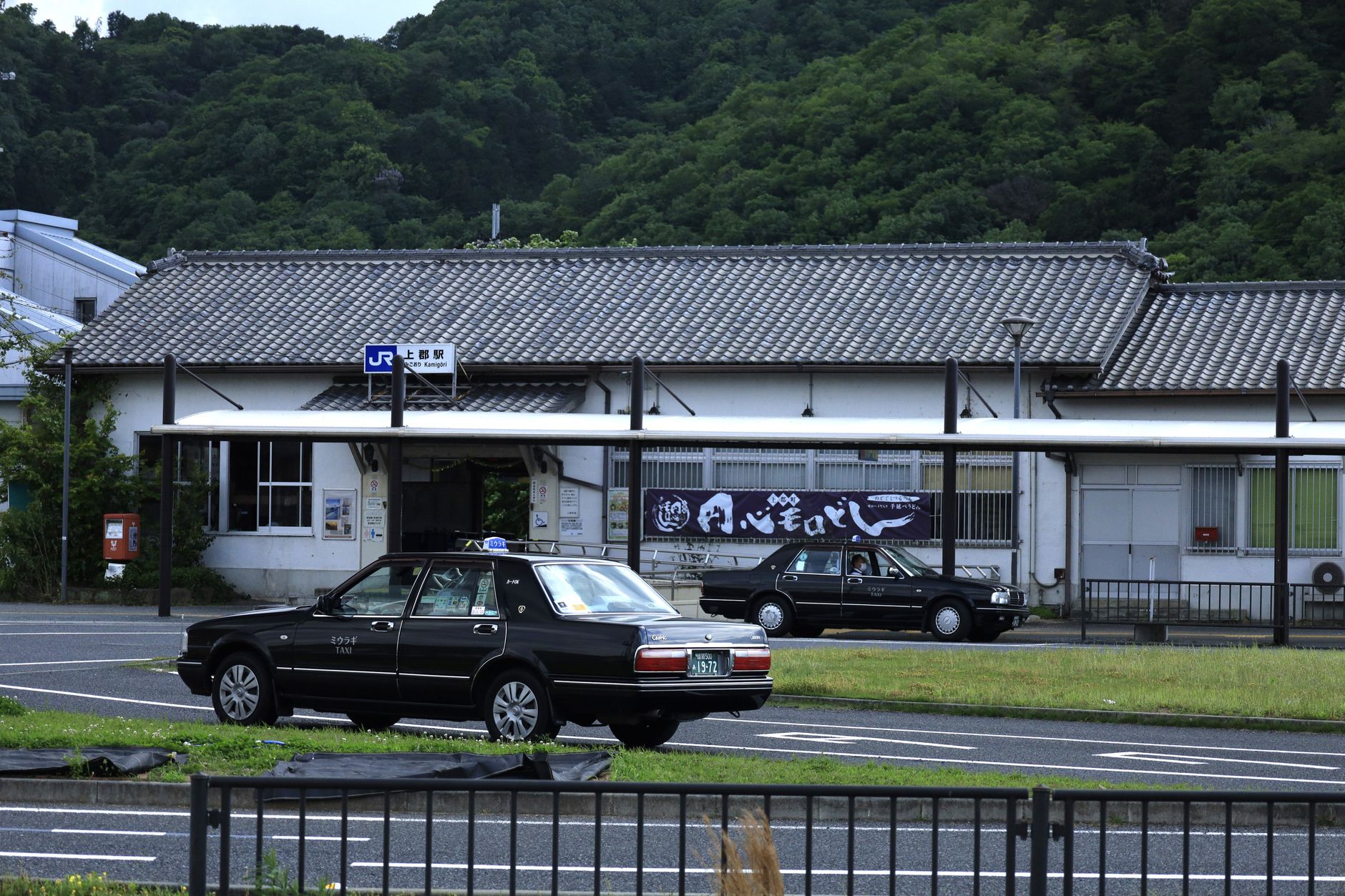
Taxis can be a convenient option for short distances within a city, and taxi-hailing apps are widely used in Japan. Japan's regulated rideshare system, by contrast, is available only in certain areas and time periods under taxi-company management, so it is not an everyday alternative. Keep in mind that taxi fares add up quickly: in Tokyo's 23 wards, fares start at ¥500 for the first 1 km following the April 2026 fare revision, and fares vary by area. If you are traveling in a group, sharing a taxi for a short trip can sometimes be comparable to individual train tickets, but be sure to calculate the total cost beforehand. Additionally, consider the time of day, as traffic can significantly affect travel times and costs in urban areas.
Quick Comparison: Which Option Fits Your Trip?
| Option | Best for | Main advantage | Watch out for |
|---|---|---|---|
| JR Pass | Several long-distance JR trips in a short period | Unlimited rides on eligible JR trains for 7, 14 or 21 days | High upfront cost (¥50,000 for 7 days; ¥53,000 for passes bought on or after October 1, 2026); Nozomi and Mizuho need an extra ticket |
| Regional pass (e.g., Kansai Area Pass, JR Tokyo Wide Pass) | Several trips within one region | Lower cost than the nationwide pass | Valid only in its area and on the trains it lists |
| IC card (Suica, PASMO) | Local trains, subways and buses | Tap-and-go travel; pay only for what you ride | Not a substitute for long-distance rail passes; one journey cannot cross IC card areas |
| City pass (Tokyo Subway Ticket, Osaka Amazing Pass) | Busy sightseeing days in one city | Unlimited rides on covered lines for a set period | Limited to the operators and lines it covers |
| Individual tickets | A few long-distance trips | Pay only for the journeys you take | Needs more planning and fare comparison |
| Highway bus | Budget long-distance travel | Often cheaper than the shinkansen | Longer journey times |
Risks and Limitations
While alternatives to the JR Pass can be beneficial, there are some risks and limitations to consider:
- Reservation Requirements: Whether you need a seat reservation depends on the train and the travel period, not only on the type of ticket you hold. Nozomi trains may operate as all-reserved-seat services during major peak periods, while Hikari and Kodama trains normally retain non-reserved seating. Check the reservation requirements for your chosen train, especially if your plans may change at the last minute.
- Less Coverage: If you plan to travel extensively, you may end up spending more on individual tickets than the cost of a JR Pass. If you plan to visit multiple cities across Japan, the JR Pass could save you money and time on long-distance travel. Weigh the distances and frequency of your travels to make an informed choice.
- Language Barriers: Some transportation options may have limited English signage or support, which could pose challenges for non-Japanese speakers. It’s advisable to download translation apps or familiarize yourself with basic Japanese phrases to make your travel smoother. Being prepared can significantly enhance your travel experience.
Frequently Asked Questions (FAQ)
Is the JR Pass worth it for short trips?
For short trips, it often depends on your itinerary. If you plan to visit multiple cities in a short timeframe, it might still be a good deal. However, if your travel is limited to a single region or city, consider the alternatives mentioned above. Evaluating your travel patterns will help you make the best choice.
Can I still use the JR Pass if I’m not traveling long distances?
Yes, but it may not be the best value. Consider your travel patterns and evaluate your costs with individual tickets. If you are only making a few short trips, individual tickets or regional passes may be more economical. Always calculate the total expected costs before purchasing the pass.
How do I choose between regional passes and individual tickets?
Analyze your travel itinerary. If your travels are limited to one region, a regional pass may offer better value. Conversely, if you are visiting multiple regions, individual tickets might be more suitable. Consider factors like the number of trips and the distance between destinations.
What’s the best way to book transportation in advance?
You can book tickets online through official transportation websites or through travel agents that specialize in Japan travel. Additionally, consider using apps like Japan Travel by NAVITIME for real-time information and booking options. Booking in advance can often help you secure better prices and availability. If you have not chosen your arrival airport yet, our Narita vs Haneda comparison covers the transfer options into Tokyo.
Conclusion
In summary, while the JR Pass is a popular choice for many travelers, it may not be the best fit for short trips in Japan. By evaluating your travel needs and considering alternatives like individual tickets, regional passes, and city transportation cards, you can find a solution that suits your itinerary and budget. To ensure a smooth travel experience, weigh the options carefully and book in advance where necessary. Remember to assess your specific travel patterns and preferences to choose the transportation method that aligns best with your plans.


