

Most people planning a first trip to Tokyo spend hours comparing individual hotels before they have answered the question that actually matters: which part of the city to be in. Tokyo is enormous and polycentric — there is no single "old town" you should aim for — so the neighbourhood you pick shapes your whole trip more than the hotel does.
This guide is for a foreign traveller who has never stayed in Tokyo. It is a decision guide, not a ranking. The core idea is simple: pick your base by how you travel, not by which area sounds most famous. Once you know how the city's train network works, which airport you land at, and how you feel about noise, the right area becomes obvious.
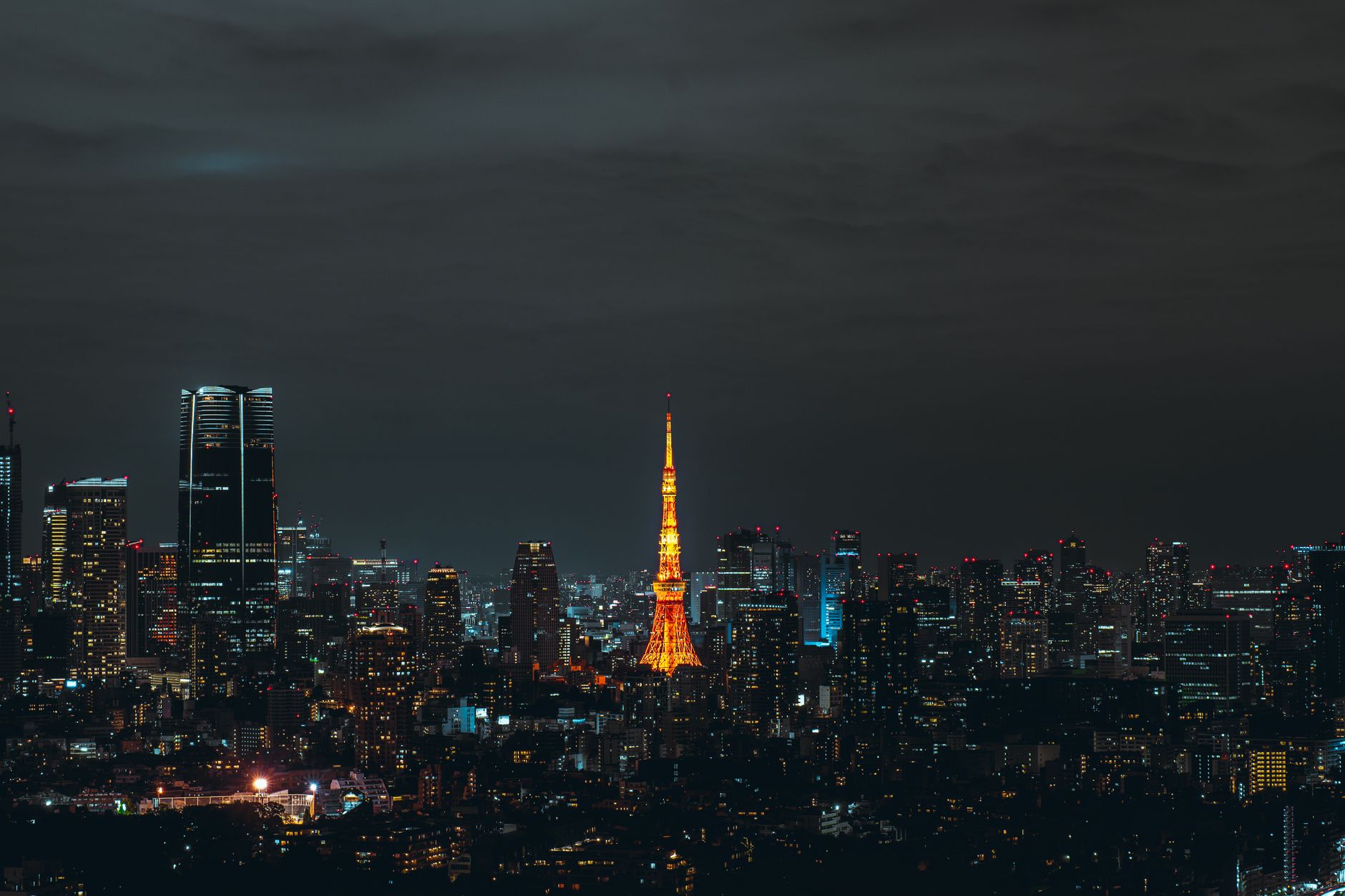
Quick Answer: Where Should a First-Timer Stay in Tokyo?
If you want the safest, most flexible choice and don't want to think about it further: Shinjuku or the Tokyo Station / Marunouchi area. Both sit on the JR Yamanote Line — the loop that connects nearly every district you'll want to visit — so you can reach the rest of the city quickly from either. Shinjuku gives you a dense, energetic base with endless food and shopping on your doorstep. Tokyo Station gives you a calmer, business-district base with the easiest onward Shinkansen and airport connections.
But "safe default" is not the same as "best for you." A light sleeper who books Shinjuku will regret it. A couple after quiet evenings and fine dining should look at Ginza. A traveller landing at Narita who wants the shortest first-day transfer should consider Ueno. Read the "How to think" section below, then the area profiles, and choose on your own priorities.
Aim to use the exact question — where to stay in Tokyo for the first time — as a filter: the answer is the area that matches your trip, not a universal winner.
How to Think About Tokyo Neighbourhoods
Five ideas do most of the work.
The Yamanote Line is your heuristic. The JR Yamanote Line is a loop run by JR East with about 30 stations over roughly 35 km; a full circuit takes around an hour, and trains come every few minutes. It strings together Shinjuku, Shibuya, Ikebukuro, Ueno, Tokyo Station, Shinagawa and more. Many of its stops are also transfer points for subways and private railways. If your hotel is a short walk from a Yamanote station — or one easy transfer away — getting around Tokyo is straightforward. If it isn't, every trip starts with a puzzle.
"Central" means connected, not geographically central. The middle of the Yamanote loop is mostly the Imperial Palace grounds and quiet office blocks. Nobody needs to stay "in the centre." What you want is a well-connected hub, and there are several around the ring.
Your arrival airport matters. Haneda (HND) is close to the city and feeds the south and west of the loop most naturally. Narita (NRT) is far to the east, so areas around Ueno and Nippori have a particularly convenient airport connection, while Tokyo Station is also well served by the Narita Express. Landing tired at 9pm, a 20-minute transfer versus a 90-minute one is worth planning around — especially for your first and last nights.
Noise is a real trade-off. Shinjuku and Shibuya stay busy into the early hours. Ginza and the Tokyo Station area wind down early. Neither is "better" — but if you sleep lightly or travel with young children, pick a quieter area or a higher hotel floor.
Budget tiers, not prices. Hotel rates in Tokyo move constantly with season and demand, so think in tiers. West-side hubs (Shinjuku, Shibuya) and Ginza skew mid-range to upscale; the east side (Asakusa, Ueno) and Ikebukuro generally offer better value. Book early for any trip that overlaps cherry-blossom season, autumn foliage, or a public holiday.
Station size is not a detail. Shinjuku Station is the world's busiest and has dozens of exits; the walk from platform to street can take ten minutes, and the wrong exit can leave you on the wrong side of a huge block. When you book, note which station exit your hotel is near, not just the station name.
The Best Areas for First-Time Visitors
Seven areas cover almost every first-timer's needs. Each profile below follows the same questions, but the reasoning is different for each — because the areas genuinely differ.
Shinjuku
Character. The most concentrated version of the Tokyo people picture: towering neon, department stores, thousands of restaurants and bars. The west side, around the skyscraper district and the free observation decks of the Tokyo Metropolitan Government Building, is calmer and hotel-heavy. The east side holds Kabukichō, a busy nightlife and entertainment quarter, plus the tiny bars of Golden Gai and the grilled-food lanes of Omoide Yokochō.
Transport & airport access. Shinjuku Station is the busiest railway station in the world, served by around a dozen JR, subway and private lines including the Yamanote. It is also the main long-distance highway-bus hub (Busta Shinjuku, on top of the station). Best reached from Haneda via a train to Shinagawa or Hamamatsucho and a short Yamanote hop; from Narita, some Narita Express services run directly to Shinjuku (roughly an hour).
Sightseeing convenience. Excellent as a springboard — you can be at Shibuya, Harajuku, Shinjuku Gyoen, or a Chūō Line train to Tokyo Station (under 15 minutes) within moments.
Shopping / nightlife. Among the best in the city for both, at every price point, and it runs late.
Business note. Plenty of major hotels and meeting space on the west side; well connected to the wider Tokyo business geography.
Choose this if… you want maximum convenience and activity on your doorstep, you're on a shorter trip and want to feel "in Tokyo" immediately, or you value having every train line in one place.
The downside. It is loud and relentless, the nightlife side stays up until 2–3am, and the station is genuinely confusing on arrival. Not the pick for a light sleeper or a family wanting calm.
Shibuya
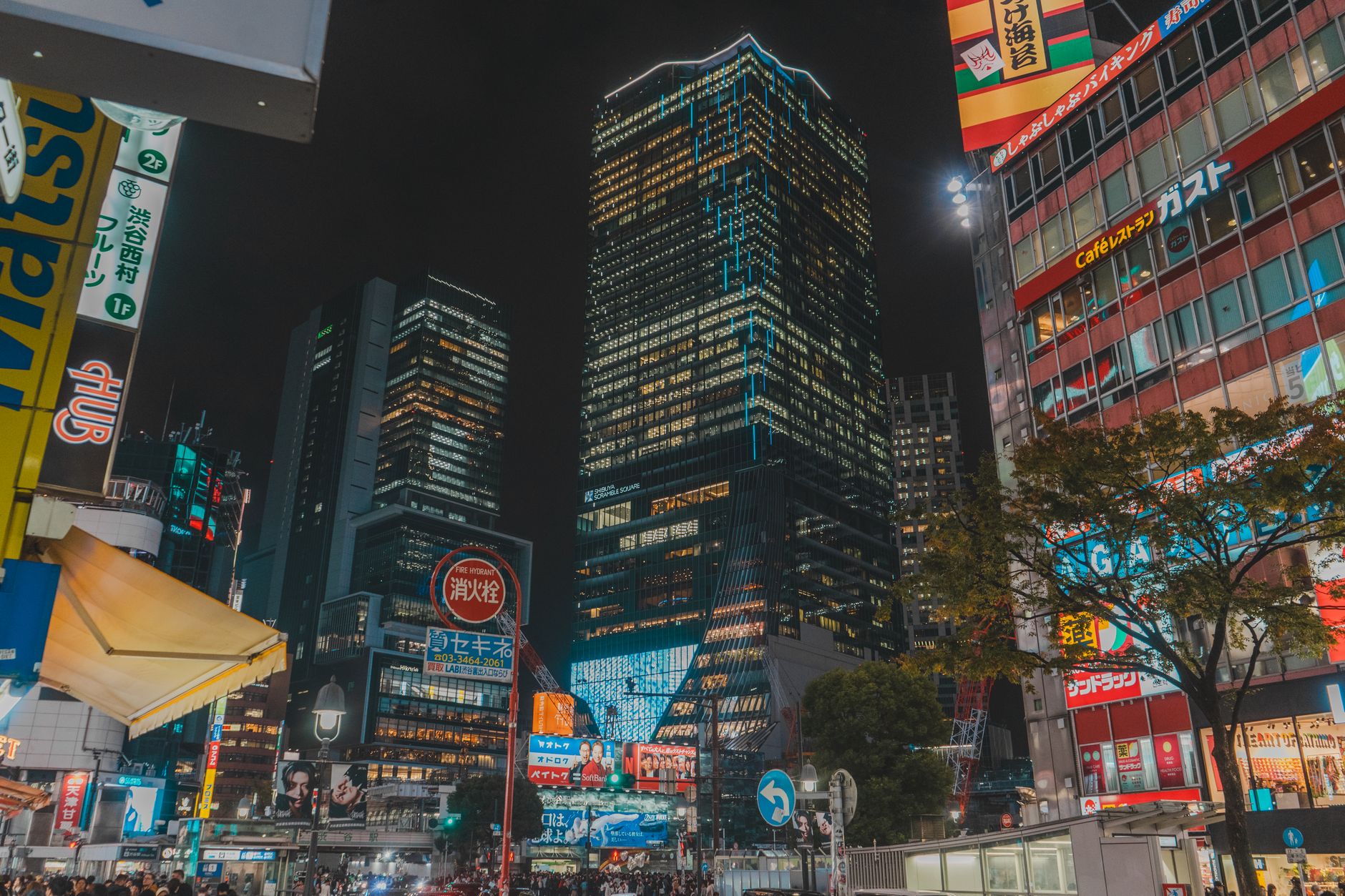
Character. Younger and more style-driven than Shinjuku, built around the Shibuya Scramble Crossing and a cluster of recently rebuilt towers. A commercial and financial district by day, a nightlife magnet by night.
Transport & airport access. A Yamanote hub with strong subway links, including the Tokyo Metro Ginza Line running east to Ginza and Asakusa. From Haneda it's an easy trip via Shinagawa; from Narita, some Narita Express and Skyliner-plus-transfer routes reach it in a bit over an hour.
Sightseeing convenience. Very good for the west side of the city — Harajuku, Omotesandō and Yoyogi Park are one or two stops away — and fine for everything else via the loop.
Shopping / nightlife. Fashion retail and youth culture are the specialities; nightlife is dense and fashionable.
Business note. Increasingly a tech and creative-industry base after the station-area redevelopment, but fewer traditional large conference hotels than Shinjuku or the Marunouchi side.
Choose this if… you're in your 20s or 30s, nightlife and fashion are priorities, or you want the iconic crossing outside your door.
The downside. Crowded and hectic day and night, similar late noise to Shinjuku, and fewer genuinely quiet hotel options.
Ginza
Character. Tokyo's refined, upscale quarter: designer boutiques, historic department stores, celebrated restaurants, wide and elegant avenues. It sits just south of Tokyo Station and next to Hibiya and the Imperial Palace gardens.
Transport & airport access. No Yamanote station of its own, but dense Tokyo Metro coverage (Ginza, Marunouchi and Hibiya lines) and a short walk or one stop to Tokyo Station for the Shinkansen and Narita Express. Straightforward from Haneda via Shimbashi or Tokyo Station.
Sightseeing convenience. Central for the eastern half of the classic sights — the Palace gardens, Hibiya, Tsukiji's outer market — and well linked to the rest.
Shopping / nightlife. World-class shopping and dining. Evenings are the opposite of Shinjuku: many shops close by around 8–10pm, although restaurants and bars can stay open later.
Business note. One of the better first-timer choices for a work trip — quiet, polished, close to the Marunouchi office district and to Shinkansen departures.
Choose this if… you want quieter evenings, a luxury or boutique hotel, easy Shinkansen logistics, or a calm, grown-up base.
The downside. The upscale hotel tier costs more, budget options are scarce, the area is sleepy after 10pm, and rooms tend to be small — not ideal for a larger family.
Tokyo Station / Marunouchi
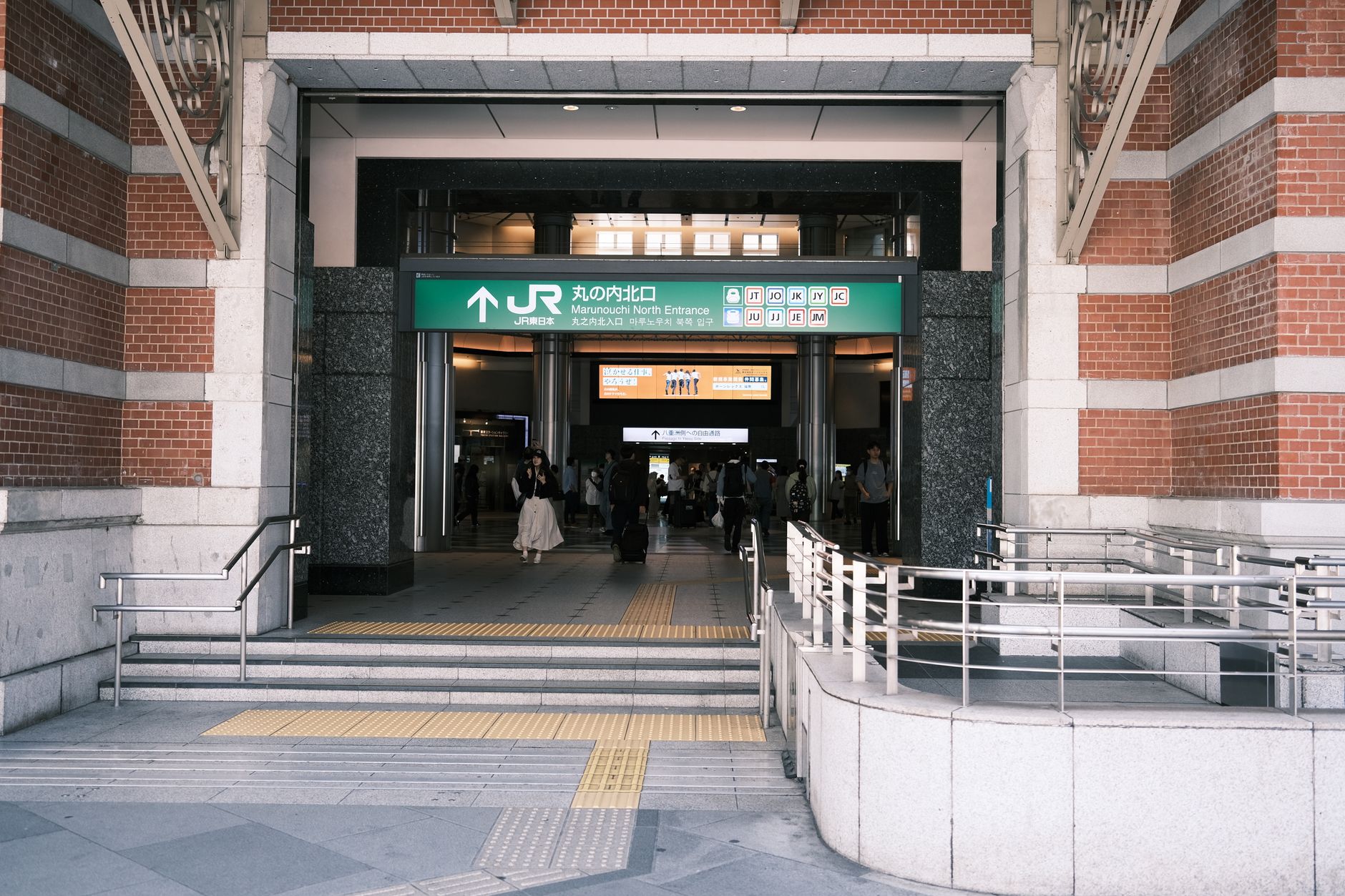
Character. The city's central rail nexus wrapped in a business district: the restored red-brick Tokyo Station building on one side, glass office towers of Marunouchi on the other. Orderly, well-kept, and quiet outside working hours.
Transport & airport access. The terminus for several Shinkansen lines, plus the Yamanote, Chūō and Keihin-Tōhoku lines and the Metro Marunouchi Line. The Narita Express runs here (roughly 53 minutes, around ¥3,000–3,100, subject to current fares); Haneda is an easy trip via Hamamatsucho or Shinagawa. Chūō Rapid to Shinjuku takes under 15 minutes.
Sightseeing convenience. Unbeatable for day trips and onward travel — Kyoto, Hakone, Nikkō and more all start here — and central enough for the eastern sights.
Shopping / nightlife. Department stores and restaurant floors in and around the station and the KITTE and Marunouchi complexes; limited street-level nightlife, especially on weekends.
Business note. The natural choice for a business traveller: you're inside the office district and next to every Shinkansen platform.
Choose this if… you're doing day trips or continuing by bullet train, you're travelling for work, or you want the calmest well-connected base in the city.
The downside. The immediate area empties out in the evening and at weekends; for local atmosphere and nightlife you'll be getting on a train.
Asakusa
Character. Old Tokyo. The heart of the low-city (Shitamachi), centred on Sensō-ji — the city's oldest temple — with the Kaminarimon gate and the souvenir-and-snack lane of Nakamise-dōri. It feels closer to Edo than to the neon districts, and first-timers often love it precisely for that contrast.
Transport & airport access. Not on the Yamanote Line — reaching a loop hub means one transfer. But it has the Tokyo Metro Ginza Line (about five minutes to Ueno, and direct to Ginza and Shibuya), the Toei Asakusa Line and the Tōbu line toward Nikkō, plus through-service trains toward Narita via the Toei Asakusa Line and Keisei network. Less convenient for Haneda arrivals.
Sightseeing convenience. Strong for the traditional east — the temple, the Sumida River, Tokyo Skytree across the water — and fine elsewhere with a transfer.
Shopping / nightlife. Street food and craft-and-souvenir shopping are the draw; nightlife is low-key and local.
Business note. Rarely a work-trip base; connections to the main office districts involve a change.
Choose this if… you want character and history over convenience, you're travelling on a budget or mid-range (some of Tokyo's best value is here), you're landing at Narita, or you're a family wanting a calmer area with more room options.
The downside. Every trip to a Yamanote hub needs a transfer, high-end hotels are limited, and it's an awkward base if most of your flights use Haneda.
Ueno
Character. A museum-and-park district with a lively market edge. Ueno Park holds the Tokyo National Museum, the National Museum of Nature and Science, the zoo and a large pond; just outside the station, the Ameyoko market street is loud and cheap. Like Asakusa, it has a Shitamachi, lower-rise feel.
Transport & airport access. On the Yamanote Line and a Shinkansen stop for lines heading north. Crucially, it is the best base for Narita via the Keisei Skyliner, which reaches Nippori in as little as 36 minutes and Ueno in around 41 (fare roughly ¥2,500–2,600 — check the current fare). About 25 minutes to Shinjuku on the Yamanote Line.
Sightseeing convenience. Excellent if museums, the park or the market are on your list; solid for the traditional east; adequate for the west via the loop.
Shopping / nightlife. Market bargains and casual izakaya rather than fashion retail or late clubs.
Business note. Not a typical work base, though the Shinkansen link suits trips that continue north (Sendai, Nagano).
Choose this if… you're arriving or leaving via Narita, you're a museum or park person, you want value while staying on the Yamanote Line, or you have onward Shinkansen travel north.
The downside. Less polished than the west-side hubs, modest nightlife, and the streets right by the station are more functional than pretty.
Ikebukuro
Character. A large northern commercial hub — the Sunshine City complex, big department stores, and a well-known concentration of anime, manga and hobby retail. Busy and a little underrated, with hotel prices that tend to sit slightly below Shinjuku's.
Transport & airport access. A Yamanote hub with quick hops to Shinjuku, Shibuya and Ueno, and a major terminus for the Seibu and Tōbu private railways and several Metro lines. From Haneda, transfer at Shinagawa or Hamamatsucho; from Narita, some Narita Express services terminate here.
Sightseeing convenience. Fine rather than special — Ikebukuro isn't a sightseeing destination itself, so you'll commute out for the marquee sights, which the loop makes easy.
Shopping / nightlife. Strong for department stores and pop-culture shopping; nightlife exists but is less of a scene than Shinjuku or Shibuya.
Business note. Workable for meetings in the north and west of the city; fewer large convention hotels than Shinjuku.
Choose this if… you want a Yamanote hub at a slightly lower price, you're interested in anime and hobby shopping, or you're a keen shopper.
The downside. Little "iconic Tokyo" scenery, Some streets feel more functional than atmospheric, and you won't wake up next to a headline sight.
Which Area Fits Your Trip? (Quick Decision Guide)
| Your priority | Suggested area(s) |
|---|---|
| First trip, want maximum convenience | Shinjuku, or Tokyo Station / Marunouchi |
| Nightlife and youthful energy | Shibuya, Shinjuku (east) |
| Quiet evenings, luxury or boutique hotel | Ginza |
| Day trips / onward Shinkansen / business | Tokyo Station / Marunouchi |
| Traditional atmosphere and history | Asakusa |
| Museums, parks, arriving via Narita | Ueno |
| Best value on the Yamanote Line | Ikebukuro |
| Best value overall, calmer area, family room space | Asakusa |
| Light sleeper | Ginza, Tokyo Station area, west-side Shinjuku (higher floor) |
Airport Access by Area
All times and fares below are approximate and change with timetables and pricing — confirm on the operator's website before you travel. None are guaranteed.
Haneda (HND) is the closer airport and the easier one for most central areas.
- To Shinagawa on the Keikyu Airport Line: roughly 11–15 minutes from the terminals, a low fare (around ¥300–350), then the Yamanote Line onward.
- To Hamamatsucho on the Tokyo Monorail: roughly 13–18 minutes, around ¥520 with an IC card, then Yamanote or Keihin-Tōhoku onward. The Monorail is covered by the Japan Rail Pass and the main JR East passes.
- Best-served bases: anywhere near Shinagawa or Hamamatsucho, and the south and west of the Yamanote loop generally (Shibuya, Shinjuku with one transfer).
Narita (NRT) is far to the east; plan a longer first-day transfer.
- Keisei Skyliner to Nippori in as little as 36 minutes and Keisei Ueno in around 41 minutes; fare roughly ¥2,500–2,600. Not covered by the Japan Rail Pass.
- Narita Express (N'EX) to Tokyo Station in about 53 minutes, around ¥3,000–3,100; some services continue to Shinagawa, Shibuya, Shinjuku and Ikebukuro. Covered by the Japan Rail Pass.
- Best-served bases: Ueno / Nippori (Skyliner) and Tokyo Station (N'EX). Asakusa also has a direct Keisei route.
Shinjuku and Shibuya are reasonable from either airport but rarely the shortest hop — from Haneda you transfer once, and from Narita you're looking at roughly an hour on a through train.
If your inbound and outbound flights use different airports, pick a base that isn't badly placed for either — a Yamanote hub such as Shinagawa-adjacent areas, Tokyo Station or Shinjuku keeps both manageable.
Common First-Timer Mistakes When Booking
- Booking far from the main rail network without noticing. A cheaper hotel that's a 12-minute walk to a minor station on a single line will cost you time and patience every day. Check the walk to the nearest Yamanote or major-subway station first.
- Choosing Shinjuku or Shibuya as a light sleeper. These areas are loud late. If you know you sleep poorly, either pick Ginza or the Tokyo Station area, or book a high floor away from the station side.
- Ignoring which airport you land at. Basing yourself in Asakusa when you fly in and out of Haneda, or in Shibuya when you use Narita, adds an hour of transfers to your tired days.
- Assuming "central Tokyo" is one place. There is no single centre to aim for; the middle of the map is mostly the Palace grounds. Aim for a connected hub instead.
- Underestimating station size and exits. Note the specific station exit near your hotel. At Shinjuku, Tokyo and Shibuya, the wrong exit can mean a long detour with luggage.
FAQ
Is Shinjuku or Shibuya better for a first trip?
Shinjuku is the more flexible base: more train lines in one station, more hotels across price tiers, and a mix of energetic and calmer sub-areas. Shibuya is better if nightlife and fashion are your main interest and you're happy with a busier, younger scene. Both are loud late at night.
Is it worth staying near Tokyo Station?
Yes, if you're taking day trips or continuing by Shinkansen, or travelling for work. It's the calmest well-connected base and puts every bullet-train platform and the Narita Express at your door. The trade-off is a quiet, business-district feel in the evenings and at weekends.
Which area is best if I land at Haneda?
Anywhere near Shinagawa or Hamamatsucho, or the south and west of the Yamanote loop. The Keikyu line to Shinagawa and the Monorail to Hamamatsucho both take well under 20 minutes, so Shinagawa-adjacent areas, Ginza and Tokyo Station are all easy, and Shibuya or Shinjuku need just one transfer.
Which area is best if I land at Narita?
Ueno or Nippori (fastest via the Keisei Skyliner) or Tokyo Station (via the Narita Express). Asakusa also has a direct Keisei connection. These minimise the transfer on a long travel day; Shinjuku and Shibuya are reachable but slower.
Where should families stay?
Asakusa is a common choice — calmer streets, better value, and more hotels with larger rooms — with Ueno's parks and museums nearby. The Tokyo Station area works for families prioritising quiet and day trips. Central Shinjuku, Shibuya and Ginza tend to have smaller rooms and, in the first two, more night-time noise.
Is Ginza too quiet?
It depends what you want in the evening. Many shops and some restaurants in Ginza close relatively early, so the area can feel still at night compared with Shinjuku. If you want fine dining and an early night, that's a feature; if you want street-level buzz after 11pm, choose elsewhere or plan to travel a few stops.
How many nights should I stay in one Tokyo area before switching?
For most first trips, don't switch at all. Tokyo's trains make a single well-chosen base workable for a week or more, and moving hotels costs half a day. Consider one move only if your trip is long and your priorities change sharply — for example, a few nights near Tokyo Station for day trips, then a few in Asakusa or Shibuya for atmosphere.
Final Recommendation
There is no universal best neighbourhood in Tokyo, and any guide that names one is guessing at your trip. Work through the decision instead:
- Confirm your airports. Haneda leans you toward the south and west of the loop; Narita leans you toward Ueno, Nippori or Tokyo Station.
- Pick your priority. Convenience → Shinjuku. Calm and Shinkansen → Tokyo Station. Quiet luxury → Ginza. Nightlife → Shibuya. Tradition → Asakusa. Museums and Narita → Ueno. Value on the loop → Ikebukuro.
- Check the walk to a major station and the noise profile for the specific hotel, and note its station exit.
- Book early for blossom season, autumn, and holidays, and check current availability on your usual booking site.
Get those four right and the exact hotel matters far less than it seems. Before you go, it's also worth sorting out mobile data so you can navigate Tokyo's stations from the platform — see our guide to the best eSIM for Japan travel. And if Kyoto is also on your itinerary, our first-timer's guide to where to stay in Kyoto takes the same approach to a very different city.
Sources
All transport times and fares below are approximate and change with timetables and pricing; confirm the current figures on the operator's own site before travelling.
Tokyo neighbourhoods and the rail network:
- Japan National Tourism Organization (JNTO), "Tokyo." https://www.japan.travel/en/destinations/kanto/tokyo/
- GO TOKYO — the official Tokyo travel guide (Tokyo Metropolitan Government), area guides. https://www.gotokyo.org/en/
- japan-guide.com, "Tokyo" (districts overview and Yamanote Line). https://www.japan-guide.com/e/e3011.html
- japan-guide.com, "Asakusa." https://www.japan-guide.com/e/e3004.html
- Nippon.com, "The Yamanote Line: Crown Jewel of Tokyo's Transportation System." https://www.nippon.com/en/japan-topics/b11302/
Airport access (official operators):
- Haneda Airport Access Guide / Keikyu Corporation. https://www.haneda-tokyo-access.com/en/
- Tokyo Monorail (official). https://www.tokyo-monorail.co.jp/english/
- Keisei Electric Railway, Skyliner (official). https://www.keisei.co.jp/keisei/tetudou/skyliner/us/
- JR East, Narita Express (official). https://www.jreast.co.jp/multi/en/nex/


